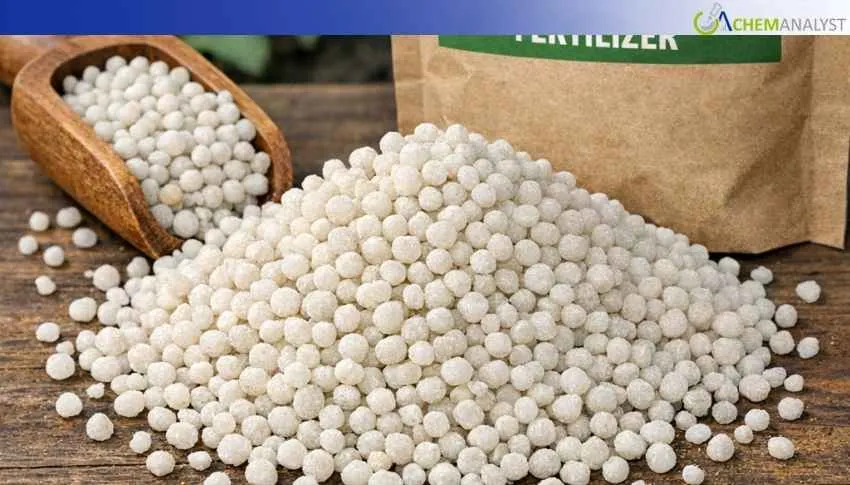
Di Ammonium Phosphate (DAP) market in the US posted a rebound in February after a January of soft demand, driven by tepid farm-level buying and import flows. January activity was range-bound as winter arrivals improved on-hand inventories; later in the month, growers delayed spring pre-buy programs and adopted precision-agriculture tactics that reduced per-acre DAP demand. Distributors entered planting with comfortable coverage, keeping spot activity muted. The February–April window remains a watch, but procurement stayed cautious across the corn-belt. Sector dynamics underscored softness: the agriculture sector, particularly row crops, showed wider adoption of variable-rate placement and substitution toward MAP and APS blends, dampening DAP fertilizer application and spring pre-buy volumes. Fertilizer distribution stayed soft but stable, with merchants reporting adequate inventory after subdued fall purchases. Upstream, ample ammonia arrivals and phosphoric acid imports supported plant run-rates, while a Moroccan phosphate-rock cargo eased raw-material tightness. Looking ahead, abundant imports and feedstock buffers imply continued softness with limited upside into planting window.
Selenis has effectively manufactured recycled PET chips using terephthalic acid sourced from Circ®, a textile-to-textile recycler based in Virginia. The chip production took place through a series of batches at Selenis' pilot plant in San-Giorgio, Italy. By utilizing inputs recovered from polycotton textile waste, Selenis has created high-quality PET chip, which has been further processed into DTY yarn. This yarn will play a crucial role in product development as Circ prepares for additional capsule launches. Selenis is leveraging the success of this initial collaboration phase and is committed to advancing towards an offtake partnership to support Circ's inaugural industrial facility.
Eduardo Santos, Head of Corporate Strategy at Selenis, remarked that the monomer synthesis showed a performance comparable to virgin terephthalic acid. He expressed optimism about the consistent quality of Circ's monomer output and anticipated future commercial success. Santos pointed out that the Circ partnership complements Selenis's existing mission and goals for a more sustainable textile industry. He further stated their anticipation of expanding upon this collaboration and providing support for Circ's forthcoming commercial production trials.