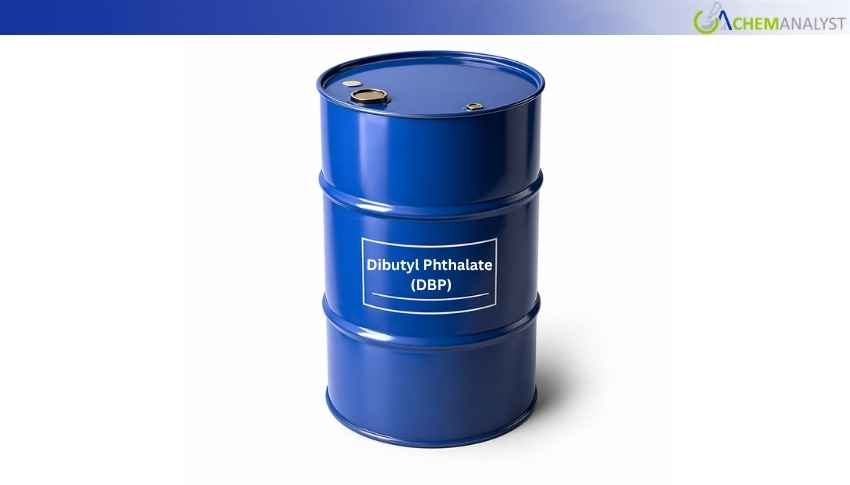
Indian Dibutyl Phthalate (DBP) markets tightened through March 2026 as cost pressures and constrained inbound volumes combined with front-loaded buying to push benchmarks higher. Spot assessments strengthened as landed costs exceeded domestic quotes, while East Asian cargo nominations and thinning distributor inventories in metros supported a firm tone. Restocking by converters ahead of the monsoon season and Diwali windows amplified demand. The monthly backdrop was bullish, with domestic production operating below full capacity and import dependence accentuating sensitivity to regional flows. Demand for DBP across construction, packaging, and adhesives underpinned the rally, with buyers in flexible PVC flooring, synthetic leather, packaging film, printing ink, and sealant segments driving activity. The tight market kept imports prominent, as domestic output covered only a fraction of national demand. Rising feedstock costs and elevated conversion outlays, along with higher industrial tariffs, eroded local competitiveness and sustained price momentum. Looking ahead, analysts expect a mixed trajectory with near-term gains followed by potential moderation into mid-year, subject to cargo availability and feedstock swings.
Selenis has effectively manufactured recycled PET chips using terephthalic acid sourced from Circ®, a textile-to-textile recycler based in Virginia. The chip production took place through a series of batches at Selenis' pilot plant in San-Giorgio, Italy. By utilizing inputs recovered from polycotton textile waste, Selenis has created high-quality PET chip, which has been further processed into DTY yarn. This yarn will play a crucial role in product development as Circ prepares for additional capsule launches. Selenis is leveraging the success of this initial collaboration phase and is committed to advancing towards an offtake partnership to support Circ's inaugural industrial facility.
Eduardo Santos, Head of Corporate Strategy at Selenis, remarked that the monomer synthesis showed a performance comparable to virgin terephthalic acid. He expressed optimism about the consistent quality of Circ's monomer output and anticipated future commercial success. Santos pointed out that the Circ partnership complements Selenis's existing mission and goals for a more sustainable textile industry. He further stated their anticipation of expanding upon this collaboration and providing support for Circ's forthcoming commercial production trials.