USA Sodium Lignosulphonate Prices Climb 4.25% on Logistics Strain and Geopolitical Risks

USA Sodium Lignosulphonate Prices Climb 4.25% on Logistics Strain and Geopolitical Risks

Aleksandr Pushkin 30-Mar-2026

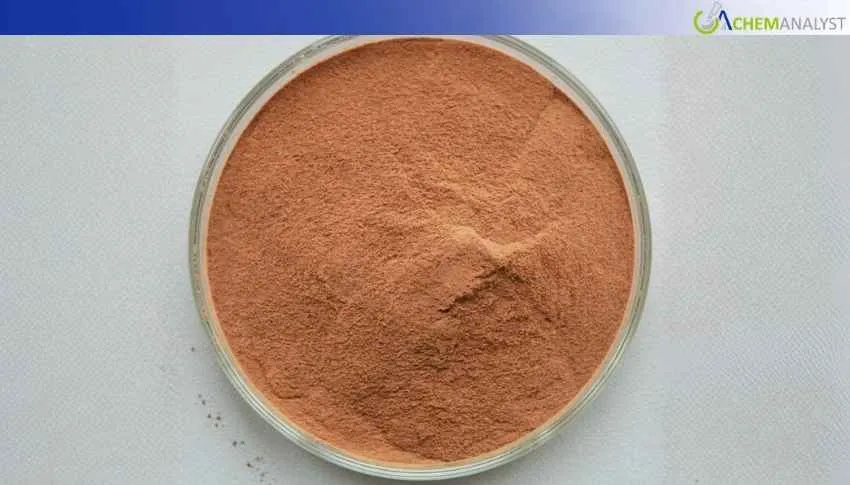
Sodium Lignosulphonate prices rose through March as tightening availability, freight and insurance costs, and panic buying reshaped the US spot market. Early March conditions were relatively balanced, but geopolitical risk and disciplined allocations reduced spot offerings and prompted cover for near-term needs. Municipal and infrastructure buying ahead of spring and summer projects provided firm underlying demand for sodium lignosulphonate, even as residential construction remained cautious. The combined effect was a shift from balanced markets to a constrained tone through the month. Demand patterns varied by sector: infrastructure remained strong for concrete admixtures using sodium lignosulphonate, while municipal programs supported dust suppression. In contrast, residential construction was weak, constraining forward buying for ready-mix concrete. Pulp-and-paper and animal-feed binder applications for sodium lignosulphonate stayed steady. Supply factors included higher caustic soda and energy costs squeezing margins, while logistics frictions and disruption pushed landed costs higher. Outlook suggests near-term gains for sodium lignosulphonate ahead of spring maintenance and infrastructure activity, though outcomes depend on shipping routes and allocations.


Selenis has effectively manufactured recycled PET chips using terephthalic acid sourced from Circ®, a textile-to-textile recycler based in Virginia. The chip production took place through a series of batches at Selenis' pilot plant in San-Giorgio, Italy. By utilizing inputs recovered from polycotton textile waste, Selenis has created high-quality PET chip, which has been further processed into DTY yarn. This yarn will play a crucial role in product development as Circ prepares for additional capsule launches. Selenis is leveraging the success of this initial collaboration phase and is committed to advancing towards an offtake partnership to support Circ's inaugural industrial facility. Eduardo Santos, Head of Corporate Strategy at Selenis, remarked that the monomer synthesis showed a performance comparable to virgin terephthalic acid. He expressed optimism about the consistent quality of Circ's monomer output and anticipated future commercial success. Santos pointed out that the Circ partnership complements Selenis's existing mission and goals for a more sustainable textile industry. He further stated their anticipation of expanding upon this collaboration and providing support for Circ's forthcoming commercial production trials.

We use cookies to deliver the best possible experience on our website. To learn more, visit our Privacy Policy. By continuing to use this site or by closing this box, you consent to our use of cookies. More info.