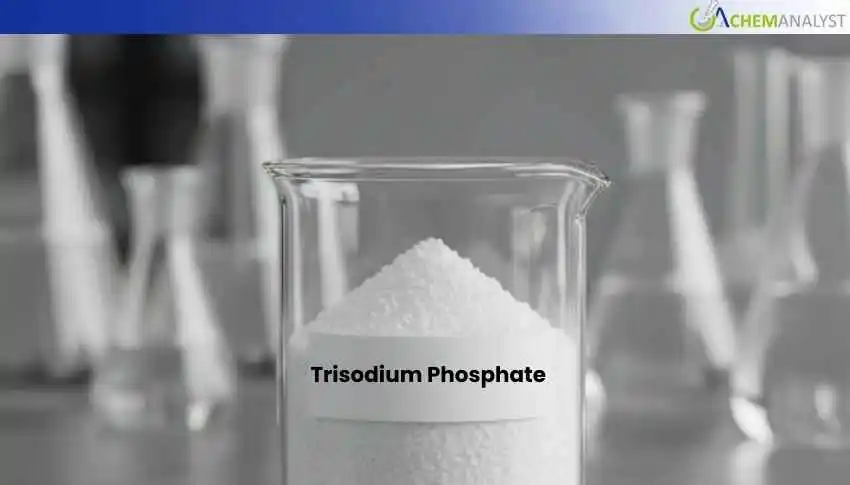
In mid-Q4 2025, US Trisodium Phosphate import prices dropped by 5.2%. This decline happened as steady production and strong supply from Asia met weak domestic demand. The industrial cleaning and detergent sectors cut back on purchases due to worse market conditions. Food processing also slowed down because of regulatory pressures on phosphate additives. Water treatment and metal surface preparation faced lower activity, reflecting broader caution in the industry. Construction projects provided some support since Trisodium Phosphate was used for surface preparation before painting, but overall demand remained weak. Asian producers kept steady operating rates even with higher yellow phosphorus costs, ensuring a balanced supply for exports. However, US imports went down due to seasonal shipping slowdowns and reduced supplies from China, while imports from ASEAN countries increased. Despite current market trends, Trisodium Phosphate prices are predicted to rise in the US Year-end procurement, new-year restocking, consistent downstream consumption, and rising feedstock costs are likely to strengthen market conditions, leading to higher import prices.
Selenis has effectively manufactured recycled PET chips using terephthalic acid sourced from Circ®, a textile-to-textile recycler based in Virginia. The chip production took place through a series of batches at Selenis' pilot plant in San-Giorgio, Italy. By utilizing inputs recovered from polycotton textile waste, Selenis has created high-quality PET chip, which has been further processed into DTY yarn. This yarn will play a crucial role in product development as Circ prepares for additional capsule launches. Selenis is leveraging the success of this initial collaboration phase and is committed to advancing towards an offtake partnership to support Circ's inaugural industrial facility.
Eduardo Santos, Head of Corporate Strategy at Selenis, remarked that the monomer synthesis showed a performance comparable to virgin terephthalic acid. He expressed optimism about the consistent quality of Circ's monomer output and anticipated future commercial success. Santos pointed out that the Circ partnership complements Selenis's existing mission and goals for a more sustainable textile industry. He further stated their anticipation of expanding upon this collaboration and providing support for Circ's forthcoming commercial production trials.