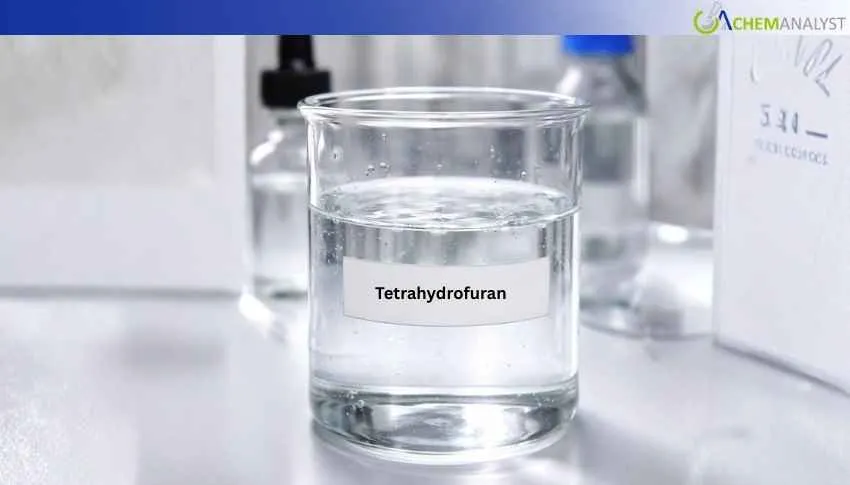
The Tetrahydrofuran market in the United States strengthened in early March 2026 as geopolitical tensions tied to the Iran–Israel conflict escalation 2026 raised concerns across global petrochemical supply chains. During February, trade remained largely stable as balanced supply from Gulf Coast producers matched steady demand from downstream polytetramethylene ether glycol (PTMEG) manufacturers supporting spandex and thermoplastic polyurethane production. However, uncertainty linked to Middle Eastern energy and LPG flows prompted cautious buying and reassessment of feedstock risk in the Tetrahydrofuran market. Rising upstream costs for 1,4-Butanediol, a key raw material, also contributed to firmer market sentiment. Although U.S. production and inventories remained adequate, traders increasingly monitored geopolitical developments, as prolonged tensions could disrupt shipping routes, elevate freight and insurance costs, and indirectly influence supply dynamics in the global market.
Selenis has effectively manufactured recycled PET chips using terephthalic acid sourced from Circ®, a textile-to-textile recycler based in Virginia. The chip production took place through a series of batches at Selenis' pilot plant in San-Giorgio, Italy. By utilizing inputs recovered from polycotton textile waste, Selenis has created high-quality PET chip, which has been further processed into DTY yarn. This yarn will play a crucial role in product development as Circ prepares for additional capsule launches. Selenis is leveraging the success of this initial collaboration phase and is committed to advancing towards an offtake partnership to support Circ's inaugural industrial facility.
Eduardo Santos, Head of Corporate Strategy at Selenis, remarked that the monomer synthesis showed a performance comparable to virgin terephthalic acid. He expressed optimism about the consistent quality of Circ's monomer output and anticipated future commercial success. Santos pointed out that the Circ partnership complements Selenis's existing mission and goals for a more sustainable textile industry. He further stated their anticipation of expanding upon this collaboration and providing support for Circ's forthcoming commercial production trials.