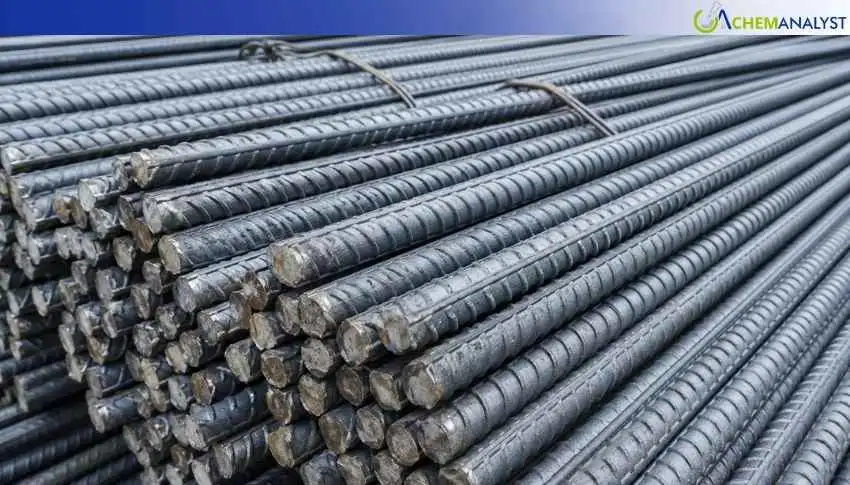
The U.S. Steel Rebar market moved through a period of softening in early May as demand from construction, housing and automotive sectors remained subdued while domestic mills continued to produce at steady rates. Early April was still affected by lingering winter disruptions that slowed job site activity, and weaker housing starts and automotive output further reduced transactional interest. Mid month conditions stabilized somewhat, with consistent mill operations and regular seaborne arrivals preventing additional import pressure. A sharper early May decline, however, pulled spot values lower and reinforced buyer caution. Despite this, longer term indicators pointed to underlying resilience, supported by strong domestic production and a trade policy environment that limited some foreign competition. Supply remained ample, with mills operating reliably and imports maintaining a steady share of availability. Looking ahead, the near term outlook suggests broadly stable pricing, though any improvement in construction or automotive pull through—or shifts in import economics—could influence market direction for Steel Rebar.
Selenis has effectively manufactured recycled PET chips using terephthalic acid sourced from Circ®, a textile-to-textile recycler based in Virginia. The chip production took place through a series of batches at Selenis' pilot plant in San-Giorgio, Italy. By utilizing inputs recovered from polycotton textile waste, Selenis has created high-quality PET chip, which has been further processed into DTY yarn. This yarn will play a crucial role in product development as Circ prepares for additional capsule launches. Selenis is leveraging the success of this initial collaboration phase and is committed to advancing towards an offtake partnership to support Circ's inaugural industrial facility.
Eduardo Santos, Head of Corporate Strategy at Selenis, remarked that the monomer synthesis showed a performance comparable to virgin terephthalic acid. He expressed optimism about the consistent quality of Circ's monomer output and anticipated future commercial success. Santos pointed out that the Circ partnership complements Selenis's existing mission and goals for a more sustainable textile industry. He further stated their anticipation of expanding upon this collaboration and providing support for Circ's forthcoming commercial production trials.