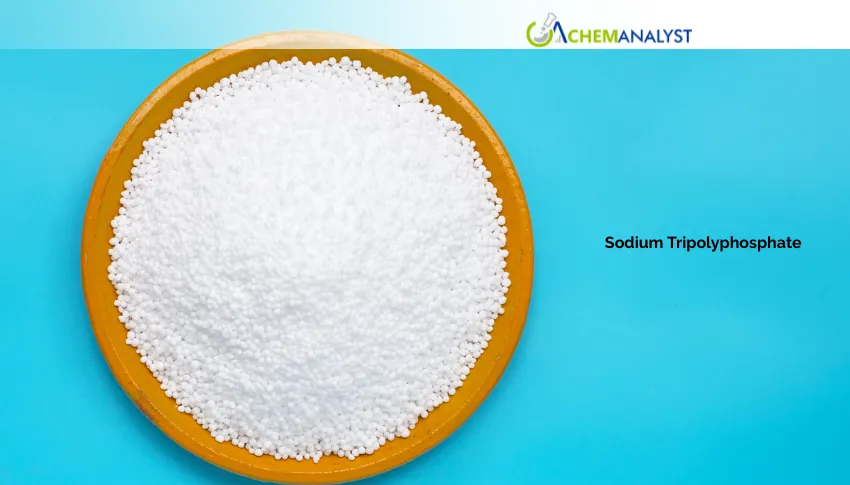
US Sodium Tripolyphosphate Gains 6.27% on Higher Import Costs; July Remains Uncertain

US Sodium Tripolyphosphate Gains 6.27% on Higher Import Costs; July Remains Uncertain

Ian Fleming 24-Jul-2026

The US sodium tripolyphosphate (STPP) market strengthened during June 2026 as rising import costs, tightening logistics, and seasonal procurement lifted prices despite stable global production. Freight disruptions, higher bunker fuel surcharges, container shortages, and elevated marine insurance premiums increased landed replacement costs, encouraging importers and distributors to accelerate purchases ahead of July. Demand remained broadly stable across automatic dishwashing detergents, industrial cleaning, water treatment, and food-processing applications, allowing suppliers to successfully pass through higher costs. Although global sodium tripolyphosphate production and availability remained adequate, logistics constraints effectively tightened supply in the U.S. market and supported firmer pricing. Looking ahead, July is expected to present a more balanced market environment. Improved vessel availability and softer seasonal procurement from detergent manufacturers could ease upward pressure on sodium tripolyphosphate prices. However, geopolitical tensions affecting shipping routes, sulfur availability, and marine freight costs continue to pose upside risks, making logistics and replacement costs the key factors likely to influence sodium tripolyphosphate pricing during the coming weeks.


Selenis has effectively manufactured recycled PET chips using terephthalic acid sourced from Circ®, a textile-to-textile recycler based in Virginia. The chip production took place through a series of batches at Selenis' pilot plant in San-Giorgio, Italy. By utilizing inputs recovered from polycotton textile waste, Selenis has created high-quality PET chip, which has been further processed into DTY yarn. This yarn will play a crucial role in product development as Circ prepares for additional capsule launches. Selenis is leveraging the success of this initial collaboration phase and is committed to advancing towards an offtake partnership to support Circ's inaugural industrial facility. Eduardo Santos, Head of Corporate Strategy at Selenis, remarked that the monomer synthesis showed a performance comparable to virgin terephthalic acid. He expressed optimism about the consistent quality of Circ's monomer output and anticipated future commercial success. Santos pointed out that the Circ partnership complements Selenis's existing mission and goals for a more sustainable textile industry. He further stated their anticipation of expanding upon this collaboration and providing support for Circ's forthcoming commercial production trials.

We use cookies to deliver the best possible experience on our website. To learn more, visit our Privacy Policy. By continuing to use this site or by closing this box, you consent to our use of cookies. More info.