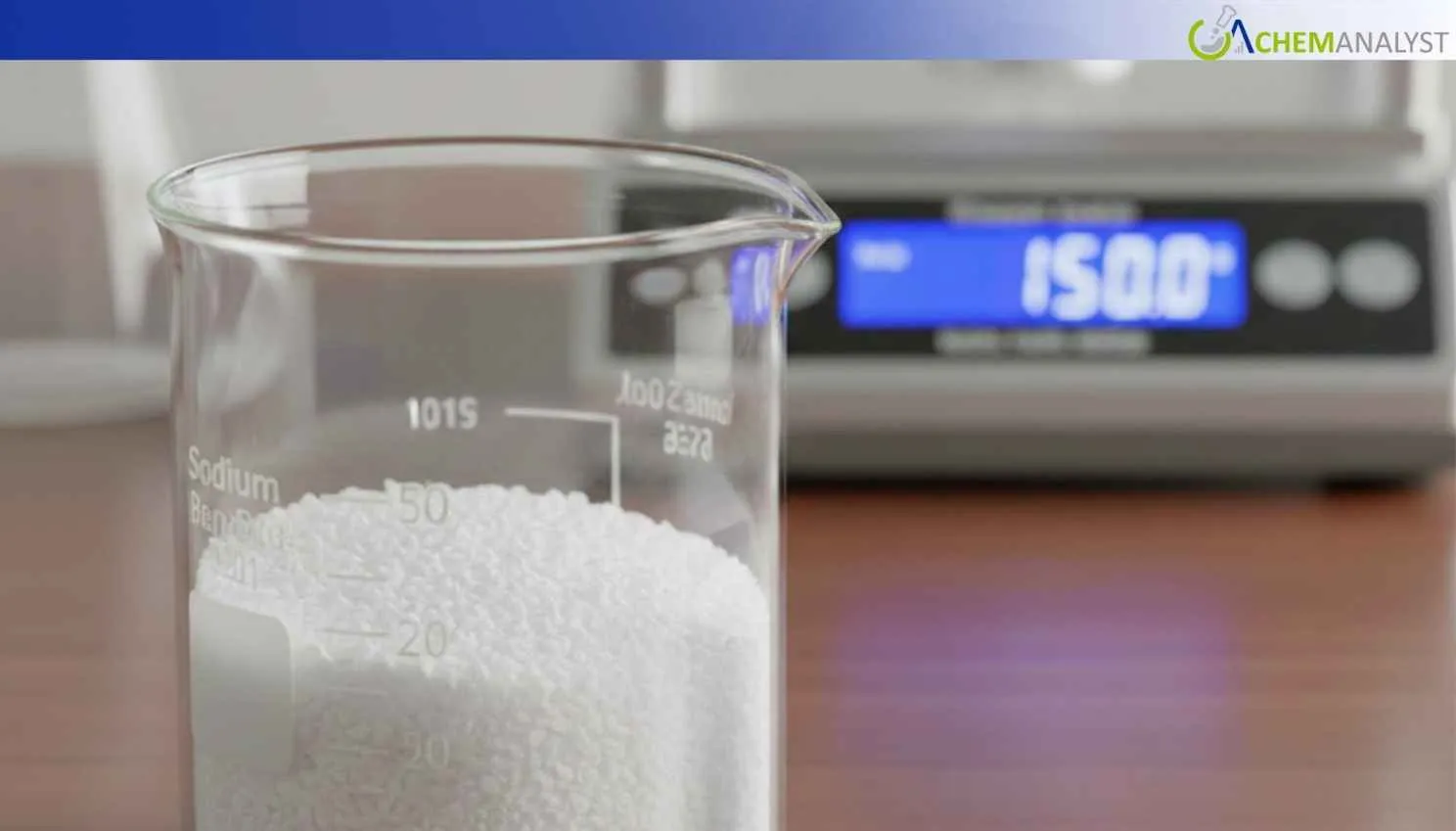
US Sodium Benzoate Market Stays Under Pressure in January After 1.3% December Drop

US Sodium Benzoate Market Stays Under Pressure in January After 1.3% December Drop

Victor Hugo 27-Jan-2026

The US Sodium Benzoate market got off to a sluggish start in January, continuing the downward trend that was already in place by the end of last year. Prices dropped by 1.3% in December and didn't really pick up steam in the second week of January as buyers just weren't feeling any huge rush to get back into the market after the holidays. Things stayed quiet for end users who were relying on holdover stock from earlier in the year, so fresh orders trickled in at a slow pace, and overall demand stayed muted. As the market might expect, given the trend, supply conditions were buyer friendly. The market is still seeing steady import flows coming from Asia and Europe, and this is largely because logistics are still running smoothly and there's a decent amount of inventory on hand at distributors in major US hubs. To make things even easier for buyers, transport costs dropped, which just added to the downward pressure on prices. Domestically market wasn’t seeing any problems with the supply chain - no disruptions to report - and availability was more than sufficient. Meanwhile, manufacturers in the food and beverage, personal care, and pharmaceutical spaces - who are the ones downstream from the Sodium Benzoate market - were basically just chugging along as usual, without really putting on any pressure to lift prices. All in all, market participants think prices are going to stay under pressure through the rest of January - mainly because of the weak demand that's still lingering after the holidays and because supply is still comfortable.


Selenis has effectively manufactured recycled PET chips using terephthalic acid sourced from Circ®, a textile-to-textile recycler based in Virginia. The chip production took place through a series of batches at Selenis' pilot plant in San-Giorgio, Italy. By utilizing inputs recovered from polycotton textile waste, Selenis has created high-quality PET chip, which has been further processed into DTY yarn. This yarn will play a crucial role in product development as Circ prepares for additional capsule launches. Selenis is leveraging the success of this initial collaboration phase and is committed to advancing towards an offtake partnership to support Circ's inaugural industrial facility. Eduardo Santos, Head of Corporate Strategy at Selenis, remarked that the monomer synthesis showed a performance comparable to virgin terephthalic acid. He expressed optimism about the consistent quality of Circ's monomer output and anticipated future commercial success. Santos pointed out that the Circ partnership complements Selenis's existing mission and goals for a more sustainable textile industry. He further stated their anticipation of expanding upon this collaboration and providing support for Circ's forthcoming commercial production trials.

We use cookies to deliver the best possible experience on our website. To learn more, visit our Privacy Policy. By continuing to use this site or by closing this box, you consent to our use of cookies. More info.