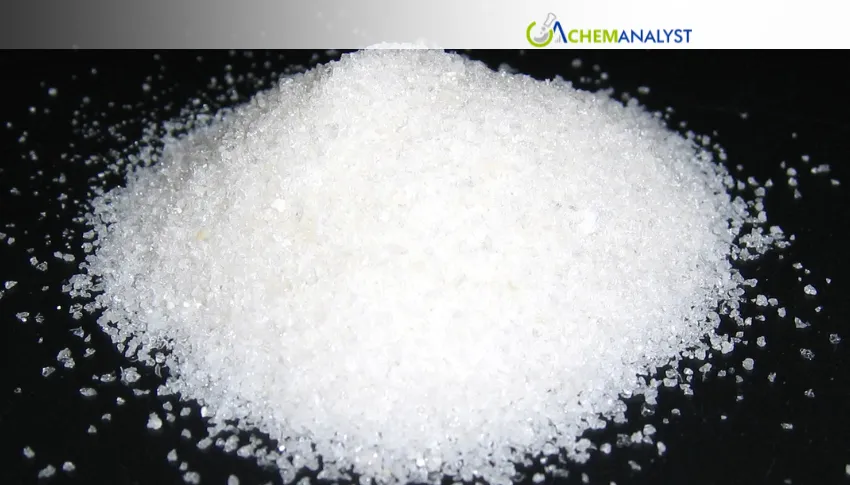
The US Superabsorbent Polymer (SAP) market experienced a significant decline in June 2026 as increased import availability, lower feedstock costs, and cautious purchasing activity from converters pressured prices. Suppliers from China, South Korea, and Japan expanded SAP shipments to the US Gulf Coast, resulting in greater market competition and higher inventory availability. Softer acrylamide and Acrylic Acid prices reduced production costs and encouraged exporters to offer competitive pricing despite elevated freight expenses. The SAP Price Trend remained bearish as hygiene-sector manufacturers, including diaper and adult incontinence product producers, relied on existing inventories rather than increasing spot purchases. According to ChemAnalyst data, SAP prices declined by around 13.1% month-on-month during the period. The SAP Market Forecast indicates further weakness in the short term, with prices expected to remain under pressure before a gradual recovery later in the year. Key factors influencing the SAP Demand Outlook include inventory normalization, seasonal procurement, import trends, and movements in Acrylic Acid and acrylamide costs.
Selenis has effectively manufactured recycled PET chips using terephthalic acid sourced from Circ®, a textile-to-textile recycler based in Virginia. The chip production took place through a series of batches at Selenis' pilot plant in San-Giorgio, Italy. By utilizing inputs recovered from polycotton textile waste, Selenis has created high-quality PET chip, which has been further processed into DTY yarn. This yarn will play a crucial role in product development as Circ prepares for additional capsule launches. Selenis is leveraging the success of this initial collaboration phase and is committed to advancing towards an offtake partnership to support Circ's inaugural industrial facility.
Eduardo Santos, Head of Corporate Strategy at Selenis, remarked that the monomer synthesis showed a performance comparable to virgin terephthalic acid. He expressed optimism about the consistent quality of Circ's monomer output and anticipated future commercial success. Santos pointed out that the Circ partnership complements Selenis's existing mission and goals for a more sustainable textile industry. He further stated their anticipation of expanding upon this collaboration and providing support for Circ's forthcoming commercial production trials.