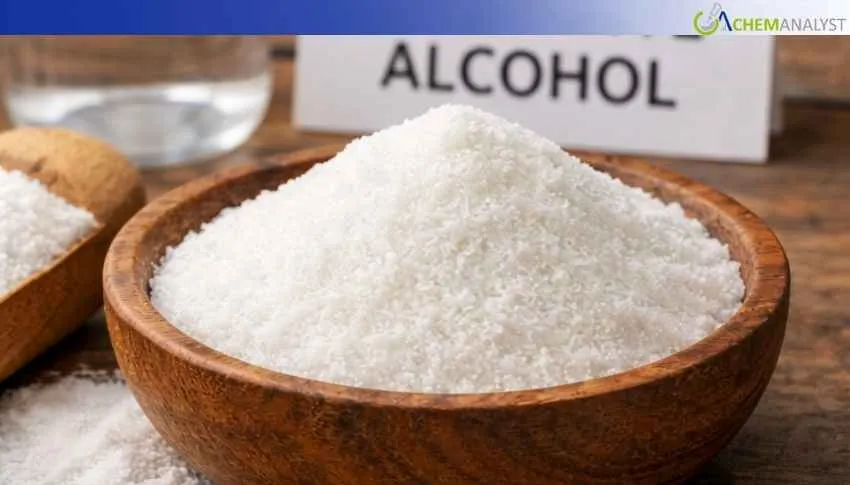
US PVA Prices Slide 2.9% in January 2026 as Post-Holiday Demand Cools

US PVA Prices Slide 2.9% in January 2026 as Post-Holiday Demand Cools

Arthur Rimbaud 28-Jan-2026

Beginning in January 2026, prices in the US polyvinyl alcohol (PVA) market continued their decline due to slowed demand resulting from heavy purchases by downstream consumers at year-end. Several downstream consumer products, such as textiles, detergent pods, and paper products, but particularly textiles, entered 2026 with adequate inventory levels, thereby choosing not to make new purchases. Suppliers revisited pricing and delivery conditions to keep up with the changing shopping habits of customers due to January's decline. Market participants noted this price drop represented a significant loss for suppliers, which negated any price improvements made over the past several months. Also, because of this decline, the PVA value returned to approximately the same ranges as in previous quarters for most suppliers in the current quarter (January). Although commodity grades were under the most pricing pressure, the specialty and higher viscosity grades of PVA did hold up, supported by strong ongoing demand for film and medical applications. Distributors were also working through excess inventories, which contributed to additional near-term softness. Despite the decline in January, there is still cautious optimism about PVA in the market.


Selenis has effectively manufactured recycled PET chips using terephthalic acid sourced from Circ®, a textile-to-textile recycler based in Virginia. The chip production took place through a series of batches at Selenis' pilot plant in San-Giorgio, Italy. By utilizing inputs recovered from polycotton textile waste, Selenis has created high-quality PET chip, which has been further processed into DTY yarn. This yarn will play a crucial role in product development as Circ prepares for additional capsule launches. Selenis is leveraging the success of this initial collaboration phase and is committed to advancing towards an offtake partnership to support Circ's inaugural industrial facility. Eduardo Santos, Head of Corporate Strategy at Selenis, remarked that the monomer synthesis showed a performance comparable to virgin terephthalic acid. He expressed optimism about the consistent quality of Circ's monomer output and anticipated future commercial success. Santos pointed out that the Circ partnership complements Selenis's existing mission and goals for a more sustainable textile industry. He further stated their anticipation of expanding upon this collaboration and providing support for Circ's forthcoming commercial production trials.

We use cookies to deliver the best possible experience on our website. To learn more, visit our Privacy Policy. By continuing to use this site or by closing this box, you consent to our use of cookies. More info.