U.S. PVA Prices Decline in Early October 2025 Amid Weak Demand and Market Pressures

U.S. PVA Prices Decline in Early October 2025 Amid Weak Demand and Market Pressures

John Keats 17-Oct-2025

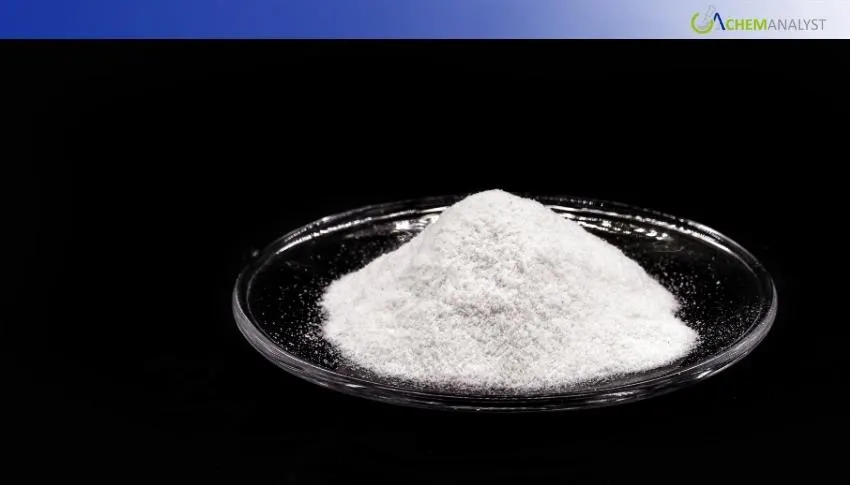
In early October 2025, U.S. Polyvinyl alcohol (PVA) prices decreased slightly, attributed to weaker market demand, seasonal slowdowns, and a shift by buyers to just-in-time inventory strategies, following earlier price increases by key producers. The slight decrease indicates a bearish market trend, with flat demand for PVA in construction and weaker transaction volumes that indicate further softening. Prices of PVA were stable in September. This was driven by baseline demand from packaging, which had been stable because of sustainability trends and demand for biodegradable substitutes to traditional plastic. Moderately strong environmental regulations and some price adjustment for tariffs had suppliers adapting and keeping supply levels consistent with nearshoring and diversification. Key companies, such as Sekisui Specialty Chemicals and Kuraray, both recorded decreases. Kuraray America's FY2025 first half net sales were $202.9 million, with net operating income at $29.9 million, blaming weaker demand and inventory levels, along with cost increases, on lower operating income. Overall, PVA pricing in the U.S. demonstrates weak demand levels and accountability pressures, further indicating challenges ahead and the need for balanced strategies for growth in this volatile market.


Selenis has effectively manufactured recycled PET chips using terephthalic acid sourced from Circ®, a textile-to-textile recycler based in Virginia. The chip production took place through a series of batches at Selenis' pilot plant in San-Giorgio, Italy. By utilizing inputs recovered from polycotton textile waste, Selenis has created high-quality PET chip, which has been further processed into DTY yarn. This yarn will play a crucial role in product development as Circ prepares for additional capsule launches. Selenis is leveraging the success of this initial collaboration phase and is committed to advancing towards an offtake partnership to support Circ's inaugural industrial facility. Eduardo Santos, Head of Corporate Strategy at Selenis, remarked that the monomer synthesis showed a performance comparable to virgin terephthalic acid. He expressed optimism about the consistent quality of Circ's monomer output and anticipated future commercial success. Santos pointed out that the Circ partnership complements Selenis's existing mission and goals for a more sustainable textile industry. He further stated their anticipation of expanding upon this collaboration and providing support for Circ's forthcoming commercial production trials.

We use cookies to deliver the best possible experience on our website. To learn more, visit our Privacy Policy. By continuing to use this site or by closing this box, you consent to our use of cookies. More info.