US Propylene Prices shot up 17.37% in late March 2026 Amid Supply Shock

US Propylene Prices shot up 17.37% in late March 2026 Amid Supply Shock

Ian Fleming 07-Apr-2026

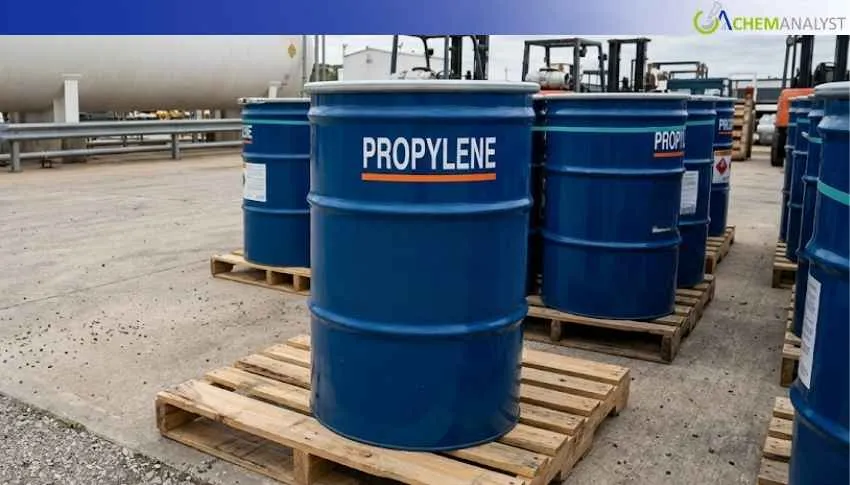
Propylene in the United States strengthened through March as tightening feedstock conditions and geopolitical disruption trimmed merchant supply at month’s end. Early observations flagged pressure from higher crude and naphtha costs and announced maintenance at several PDH and petrochemical units that narrowed domestic availability. Export loadings and terminal expansions redirected propane offshore, while Hormuz-related disruptions further constrained inbound NGL flows, prompting an appreciable repricing move. Buyers pursued measured restocking for polypropylene production rather than speculative bets, keeping activity focused on physical flow and logistics risk. Demand from polymer producers remained the primary support, bolstering PP applications such as packaging, consumer goods and automotive components. Domestic PP contracts rose modestly, reinforcing buying interest. The market remained tight as domestic output continued to meet the bulk of consumption, but merchant pools thinned and spot activity intensified. Planned maintenance and logistics constraints, plus higher feedstock costs, underscored upside risk, with seasonal pre-summer demand sustaining buying into spring, subject to geopolitical and operational developments.


Selenis has effectively manufactured recycled PET chips using terephthalic acid sourced from Circ®, a textile-to-textile recycler based in Virginia. The chip production took place through a series of batches at Selenis' pilot plant in San-Giorgio, Italy. By utilizing inputs recovered from polycotton textile waste, Selenis has created high-quality PET chip, which has been further processed into DTY yarn. This yarn will play a crucial role in product development as Circ prepares for additional capsule launches. Selenis is leveraging the success of this initial collaboration phase and is committed to advancing towards an offtake partnership to support Circ's inaugural industrial facility. Eduardo Santos, Head of Corporate Strategy at Selenis, remarked that the monomer synthesis showed a performance comparable to virgin terephthalic acid. He expressed optimism about the consistent quality of Circ's monomer output and anticipated future commercial success. Santos pointed out that the Circ partnership complements Selenis's existing mission and goals for a more sustainable textile industry. He further stated their anticipation of expanding upon this collaboration and providing support for Circ's forthcoming commercial production trials.

We use cookies to deliver the best possible experience on our website. To learn more, visit our Privacy Policy. By continuing to use this site or by closing this box, you consent to our use of cookies. More info.