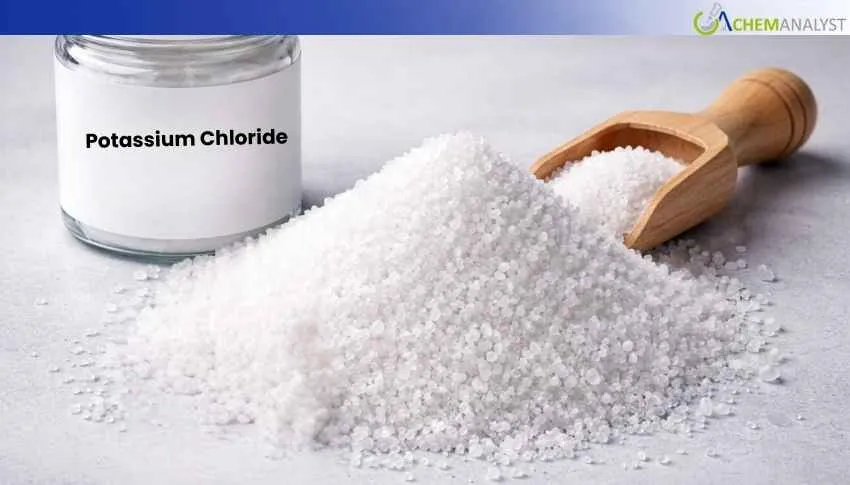
In January 2026, the US experienced a modest decline in potassium chloride prices after many months of solid market momentum. While historic price levels are still relatively high today, the month-on-month price indicators show a slight pullback from late 2025 prices due to both normal seasonal demand patterns and higher-than-normal imports and distributor replenishment behaviour. Current industry data suggests that after reaching nearly all-time high levels in December 2025, North American spot prices for potassium chloride had begun to decline. In its report, the global analyst community points out that the total fertilizer index had stabilized after a long period of extreme price increases that lasted from about early 2024 through early 2025. Consequently, they expect potash structural demand (including potassium chloride) to remain strong into 2026, even if the potash price may soften temporarily due to seasonality, and the price elasticity of the demand curve will continue to hold. In addition, many of the potassium chloride buyers are holding back on purchases in anticipation of the coming spring potassium chloride application season.
Selenis has effectively manufactured recycled PET chips using terephthalic acid sourced from Circ®, a textile-to-textile recycler based in Virginia. The chip production took place through a series of batches at Selenis' pilot plant in San-Giorgio, Italy. By utilizing inputs recovered from polycotton textile waste, Selenis has created high-quality PET chip, which has been further processed into DTY yarn. This yarn will play a crucial role in product development as Circ prepares for additional capsule launches. Selenis is leveraging the success of this initial collaboration phase and is committed to advancing towards an offtake partnership to support Circ's inaugural industrial facility.
Eduardo Santos, Head of Corporate Strategy at Selenis, remarked that the monomer synthesis showed a performance comparable to virgin terephthalic acid. He expressed optimism about the consistent quality of Circ's monomer output and anticipated future commercial success. Santos pointed out that the Circ partnership complements Selenis's existing mission and goals for a more sustainable textile industry. He further stated their anticipation of expanding upon this collaboration and providing support for Circ's forthcoming commercial production trials.