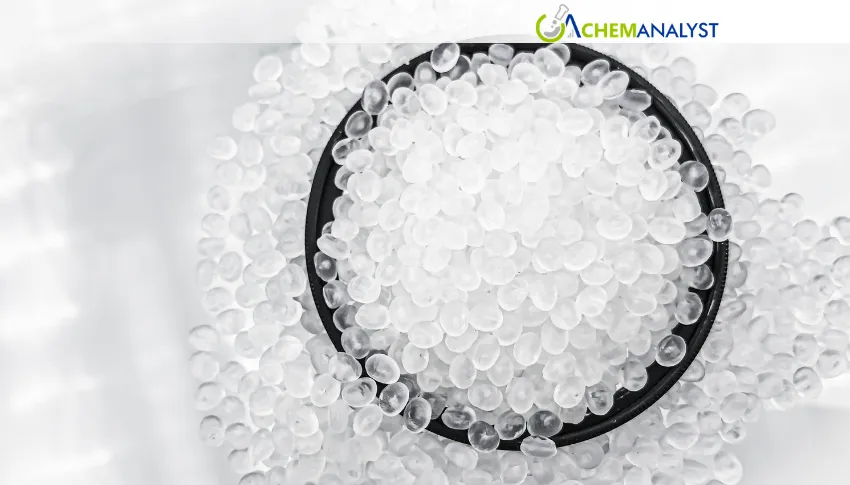
The U.S. polypropylene market ended June on a weak footing, with lower feedstock costs and subdued downstream demand continuing to weigh on prices. By the end of June, limited purchasing activity and competitive seller pricing reflected cautious buyer sentiment despite stable production levels. The Copolymer DEL Houston benchmark recorded a monthly decline, highlighting the broader weakness across polypropylene grades. Lower polymer-grade propylene prices and uninterrupted resin production further contributed to softer market conditions, while temporary supply disruptions at a Texas facility had only a limited impact on overall availability. Looking ahead, the market is expected to remain under pressure unless downstream demand strengthens or feedstock costs begin to recover.
Selenis has effectively manufactured recycled PET chips using terephthalic acid sourced from Circ®, a textile-to-textile recycler based in Virginia. The chip production took place through a series of batches at Selenis' pilot plant in San-Giorgio, Italy. By utilizing inputs recovered from polycotton textile waste, Selenis has created high-quality PET chip, which has been further processed into DTY yarn. This yarn will play a crucial role in product development as Circ prepares for additional capsule launches. Selenis is leveraging the success of this initial collaboration phase and is committed to advancing towards an offtake partnership to support Circ's inaugural industrial facility.
Eduardo Santos, Head of Corporate Strategy at Selenis, remarked that the monomer synthesis showed a performance comparable to virgin terephthalic acid. He expressed optimism about the consistent quality of Circ's monomer output and anticipated future commercial success. Santos pointed out that the Circ partnership complements Selenis's existing mission and goals for a more sustainable textile industry. He further stated their anticipation of expanding upon this collaboration and providing support for Circ's forthcoming commercial production trials.