US Polypropylene Copolymer Prices Jump 7.02% WoW After Brief 1.72% Dip

US Polypropylene Copolymer Prices Jump 7.02% WoW After Brief 1.72% Dip

Lewis Carroll 05-May-2026

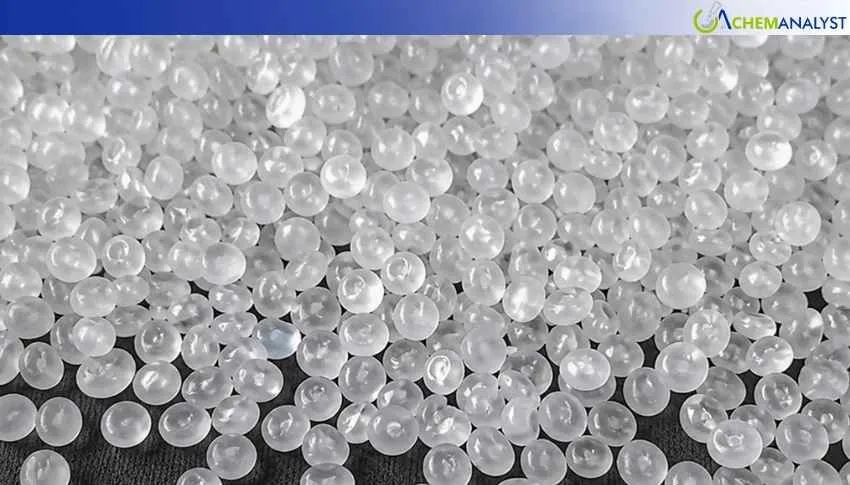
The Polypropylene Copolymer market in the USA remained volatile yet broadly firm during late April and early May 2026, continuing within a sustained 12-week bullish trend. In late April, prices eased temporarily as higher operating rates increased domestic Polypropylene Copolymer availability, leading to inventory build-up across distribution hubs, while weaker propylene costs reduced production pressure and encouraged limited price corrections. Demand conditions were stable but slightly moderated due to substitution toward recycled materials, which softened near-term procurement intensity. However, the trend reversed sharply in early May as tightening propylene supply and a rapid increase in feedstock costs significantly raised Polypropylene Copolymer production expenses, restoring strong cost-push momentum. At the same time, reduced import inflows from the Middle East further constrained Polypropylene Copolymer availability, allowing sellers to regain pricing power and lift spot offers. Despite intermittent demand fluctuations, the market structure remained tight due to high domestic reliance and limited external supply support. Overall, the Polypropylene Copolymer market stayed firmly supported by feedstock volatility and constrained supply conditions, maintaining an upward bias with short-term fluctuations.


Selenis has effectively manufactured recycled PET chips using terephthalic acid sourced from Circ®, a textile-to-textile recycler based in Virginia. The chip production took place through a series of batches at Selenis' pilot plant in San-Giorgio, Italy. By utilizing inputs recovered from polycotton textile waste, Selenis has created high-quality PET chip, which has been further processed into DTY yarn. This yarn will play a crucial role in product development as Circ prepares for additional capsule launches. Selenis is leveraging the success of this initial collaboration phase and is committed to advancing towards an offtake partnership to support Circ's inaugural industrial facility. Eduardo Santos, Head of Corporate Strategy at Selenis, remarked that the monomer synthesis showed a performance comparable to virgin terephthalic acid. He expressed optimism about the consistent quality of Circ's monomer output and anticipated future commercial success. Santos pointed out that the Circ partnership complements Selenis's existing mission and goals for a more sustainable textile industry. He further stated their anticipation of expanding upon this collaboration and providing support for Circ's forthcoming commercial production trials.

We use cookies to deliver the best possible experience on our website. To learn more, visit our Privacy Policy. By continuing to use this site or by closing this box, you consent to our use of cookies. More info.