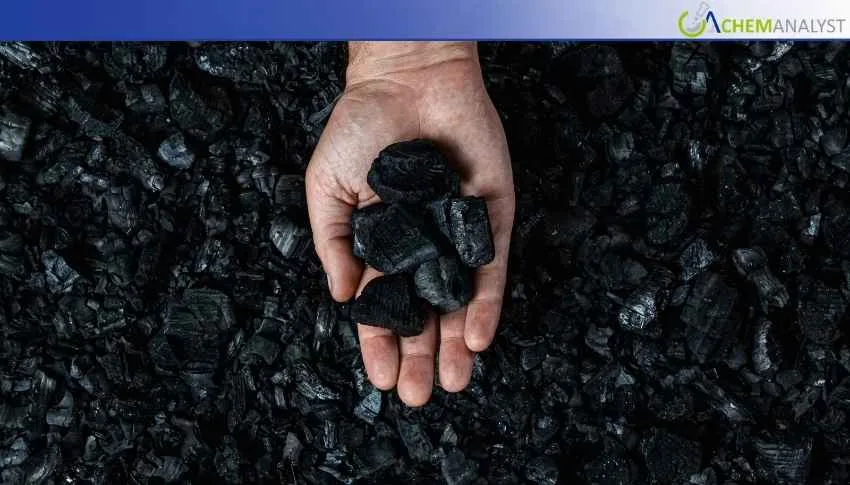
Petroleum coke markets in the USA strengthened through February 2026 as export demand and mid-month logistical disruptions tightened availability. Early February saw steady markets, but PBF Energy’s idling of key units at Paulsboro and higher Gulf freight rates pushed seaborne demand for petroleum coke, particularly to Asian cement kilns. Seasonal factors, including winter river icing and rail congestion, further constrained prompt cargo movement. Sector dynamics remained bifurcated, with fuel-grade for cement notably strong while anode/calcined petroleum coke markets stayed steady. Supply-side factors, including the Paulsboro outage, reduced domestic petroleum coke streams, while U.S. production concentration amplified the impact of localized disruptions. Valero’s planned Venezuelan heavy crude imports and additional coker capacity at PBF Delaware City are expected to moderate tightness. Geopolitical risks, particularly the ongoing Israel-Iran conflict, may affect Middle Eastern crude flows feeding U.S. cokers, reinforcing global petroleum coke supply concerns. With strong export demand, logistical constraints, and geopolitical tensions, availability is expected to remain tight, keeping market sentiment firm in the near term
Selenis has effectively manufactured recycled PET chips using terephthalic acid sourced from Circ®, a textile-to-textile recycler based in Virginia. The chip production took place through a series of batches at Selenis' pilot plant in San-Giorgio, Italy. By utilizing inputs recovered from polycotton textile waste, Selenis has created high-quality PET chip, which has been further processed into DTY yarn. This yarn will play a crucial role in product development as Circ prepares for additional capsule launches. Selenis is leveraging the success of this initial collaboration phase and is committed to advancing towards an offtake partnership to support Circ's inaugural industrial facility.
Eduardo Santos, Head of Corporate Strategy at Selenis, remarked that the monomer synthesis showed a performance comparable to virgin terephthalic acid. He expressed optimism about the consistent quality of Circ's monomer output and anticipated future commercial success. Santos pointed out that the Circ partnership complements Selenis's existing mission and goals for a more sustainable textile industry. He further stated their anticipation of expanding upon this collaboration and providing support for Circ's forthcoming commercial production trials.