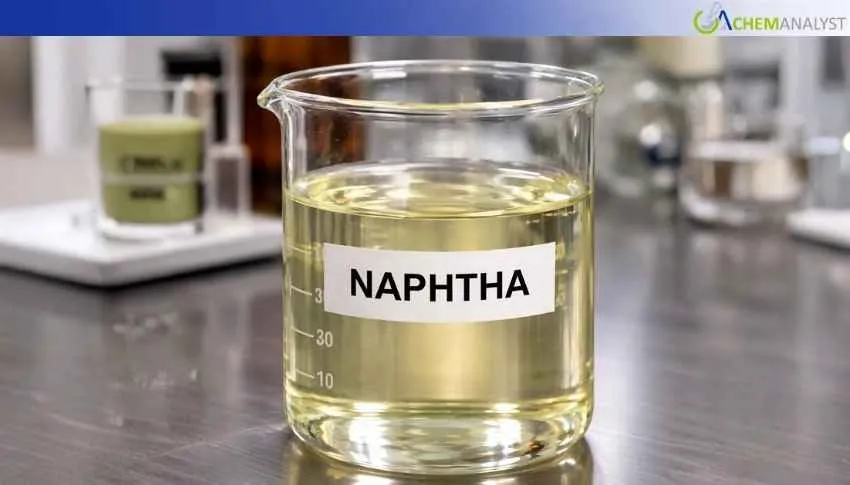
Naphtha markets in the United States firmed through March on a mix of logistics disruptions and downstream demand that tightened supply. Early March Strait of Hormuz disruptions steered buying toward US barrels, while mid-March seizures of competing feedstock constrained alternative inflows. Booming packaging plastics demand sustained activity, with industrial buyers in neighbouring regions lifting cargo volumes. By contrast, fuel and gasoline blending demand faded late in the month as remote work and mobility trends tempered blending requirements. The net result was a market on a firm footing heading into April, underpinned by packaging-plastics demand as a key support for volumes. Petrochemical feedstock use remained softer as crackers shifted toward lighter alternatives, while industrial activity in Mexico and Colombia provided additional offtake. Naphtha production remained skewed toward domestic output, with imports playing a smaller role. The outlook calls for a balanced mix of supply constraints and ongoing demand from packaging and industrial sectors, with upside tempered by feedstock substitutions and blending softness.
Selenis has effectively manufactured recycled PET chips using terephthalic acid sourced from Circ®, a textile-to-textile recycler based in Virginia. The chip production took place through a series of batches at Selenis' pilot plant in San-Giorgio, Italy. By utilizing inputs recovered from polycotton textile waste, Selenis has created high-quality PET chip, which has been further processed into DTY yarn. This yarn will play a crucial role in product development as Circ prepares for additional capsule launches. Selenis is leveraging the success of this initial collaboration phase and is committed to advancing towards an offtake partnership to support Circ's inaugural industrial facility.
Eduardo Santos, Head of Corporate Strategy at Selenis, remarked that the monomer synthesis showed a performance comparable to virgin terephthalic acid. He expressed optimism about the consistent quality of Circ's monomer output and anticipated future commercial success. Santos pointed out that the Circ partnership complements Selenis's existing mission and goals for a more sustainable textile industry. He further stated their anticipation of expanding upon this collaboration and providing support for Circ's forthcoming commercial production trials.