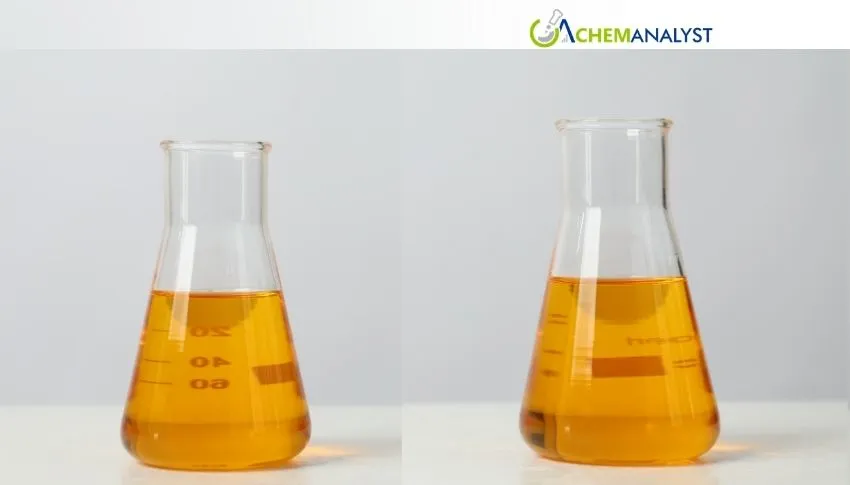
Naphtha prices in the US traded with volatility through May as early demand strength supported steam-cracker activity, but a late-month reversal emerged amid seller reluctance and thinner spot liquidity. Initial gains reflected stronger petrochemical buying and higher refinery throughput, while market participants weighed upstream cost movements. Mid-month conditions steadied as attention remained focused on crude price trajectories. In the closing week, seller withholding and a cooling spot market pushed prices lower, underscoring the market's struggle to balance higher input costs with evolving feedstock choices. Ethane substitution as a cheaper cracker feedstock moderated Naphtha demand, tempering further upside even as petrochemical activity remained a key driver. WTI strength supported refinery economics, increasing input costs and pressuring offers, while a tightly balanced domestic supply chain kept FOB availability constrained. The near-term outlook remains supported by ongoing petrochemical demand and limited supply, but upside risks persist if crude strength holds and liquidity conditions improve. A softer oil backdrop or more aggressive ethane switching could cap gains, sustaining market volatility.
Selenis has effectively manufactured recycled PET chips using terephthalic acid sourced from Circ®, a textile-to-textile recycler based in Virginia. The chip production took place through a series of batches at Selenis' pilot plant in San-Giorgio, Italy. By utilizing inputs recovered from polycotton textile waste, Selenis has created high-quality PET chip, which has been further processed into DTY yarn. This yarn will play a crucial role in product development as Circ prepares for additional capsule launches. Selenis is leveraging the success of this initial collaboration phase and is committed to advancing towards an offtake partnership to support Circ's inaugural industrial facility.
Eduardo Santos, Head of Corporate Strategy at Selenis, remarked that the monomer synthesis showed a performance comparable to virgin terephthalic acid. He expressed optimism about the consistent quality of Circ's monomer output and anticipated future commercial success. Santos pointed out that the Circ partnership complements Selenis's existing mission and goals for a more sustainable textile industry. He further stated their anticipation of expanding upon this collaboration and providing support for Circ's forthcoming commercial production trials.