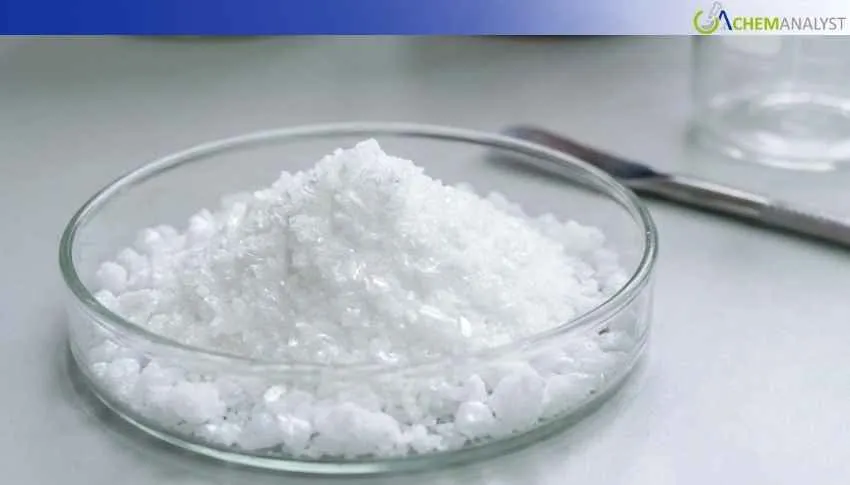
The United States lithium hydroxide segment demonstrated significant increases in pricing in January 2026 because of restricted amounts of feedstock, elevated cost of imports, and robust demand for electric vehicles (EVs). Though still dependent on Australia and Canada for spodumene, restrictions placed on importing activity from China have caused the availability of lithium hydroxide from that area to dwindle. Very few converters have managed to conduct trade with suppliers from other regions, thus creating heightened competition for existing stocks. EVs represented a major driving force for demand for EV batteries and high-purity lithium hydroxide. The number of EVs sold in the United States reached over 1.6M units in 2024. Increased EV sales, combined with relevant policy support and a rapidly growing domestic battery manufacturing industry, continue to be bullish drivers in the market.
Selenis has effectively manufactured recycled PET chips using terephthalic acid sourced from Circ®, a textile-to-textile recycler based in Virginia. The chip production took place through a series of batches at Selenis' pilot plant in San-Giorgio, Italy. By utilizing inputs recovered from polycotton textile waste, Selenis has created high-quality PET chip, which has been further processed into DTY yarn. This yarn will play a crucial role in product development as Circ prepares for additional capsule launches. Selenis is leveraging the success of this initial collaboration phase and is committed to advancing towards an offtake partnership to support Circ's inaugural industrial facility.
Eduardo Santos, Head of Corporate Strategy at Selenis, remarked that the monomer synthesis showed a performance comparable to virgin terephthalic acid. He expressed optimism about the consistent quality of Circ's monomer output and anticipated future commercial success. Santos pointed out that the Circ partnership complements Selenis's existing mission and goals for a more sustainable textile industry. He further stated their anticipation of expanding upon this collaboration and providing support for Circ's forthcoming commercial production trials.