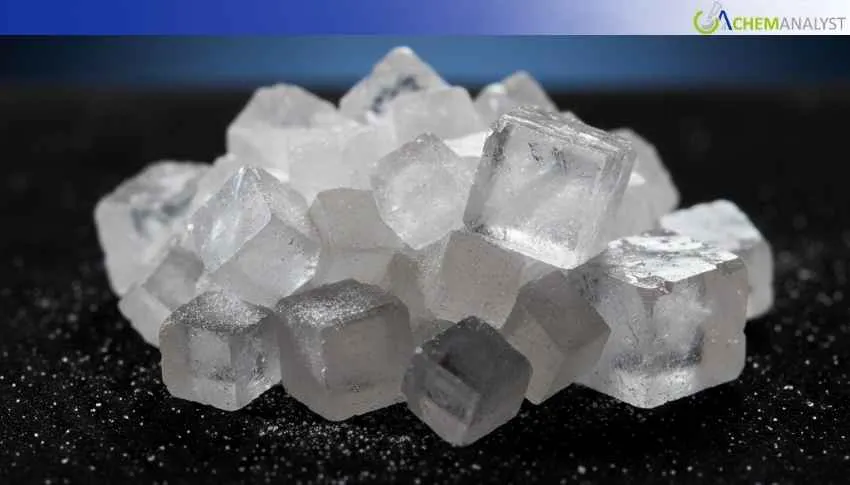
US Lithium Fluoride Prices Fall 12% in mid February 2026 Post Steep Swing

US Lithium Fluoride Prices Fall 12% in mid February 2026 Post Steep Swing

Aleksandr Pushkin 25-Feb-2026

Lithium fluoride trading in the US market swung as battery sector demand buoyed spot bids before easing. Early on, brisk offtake from LiPF6 and electrolyte producers, along with vendor-managed inventory restocking by cell makers, supported a firmer tone; later, additional import parcels and steady port activity helped relieve tightness. Seasonal shutdowns and quarter-start precursor buying shaped procurement, with converters and PVDF producers stepping up short-term purchases. Overall, the lithium fluoride market shifted from tight to more balanced as downstream qualification cycles and improving import availability moderated spot pressure. Battery and EV cell manufacturing remained the principal bullish driver, pulling electrolyte-grade LiF for LiPF6 production and advanced chemistries. In contrast, industrial and specialty chemical demand remained soft, with ample inventories of lithium fluoride and limited incremental pull. PVDF firms maintained steady coating and film-grade procurement, while energy-storage formulators continued development work that supported baseline consumption but delayed large spot buys. Outlook for lithium fluoride points to a modest near-term upside, contingent on restocking, feedstock costs, and qualification timelines.


Selenis has effectively manufactured recycled PET chips using terephthalic acid sourced from Circ®, a textile-to-textile recycler based in Virginia. The chip production took place through a series of batches at Selenis' pilot plant in San-Giorgio, Italy. By utilizing inputs recovered from polycotton textile waste, Selenis has created high-quality PET chip, which has been further processed into DTY yarn. This yarn will play a crucial role in product development as Circ prepares for additional capsule launches. Selenis is leveraging the success of this initial collaboration phase and is committed to advancing towards an offtake partnership to support Circ's inaugural industrial facility. Eduardo Santos, Head of Corporate Strategy at Selenis, remarked that the monomer synthesis showed a performance comparable to virgin terephthalic acid. He expressed optimism about the consistent quality of Circ's monomer output and anticipated future commercial success. Santos pointed out that the Circ partnership complements Selenis's existing mission and goals for a more sustainable textile industry. He further stated their anticipation of expanding upon this collaboration and providing support for Circ's forthcoming commercial production trials.

We use cookies to deliver the best possible experience on our website. To learn more, visit our Privacy Policy. By continuing to use this site or by closing this box, you consent to our use of cookies. More info.