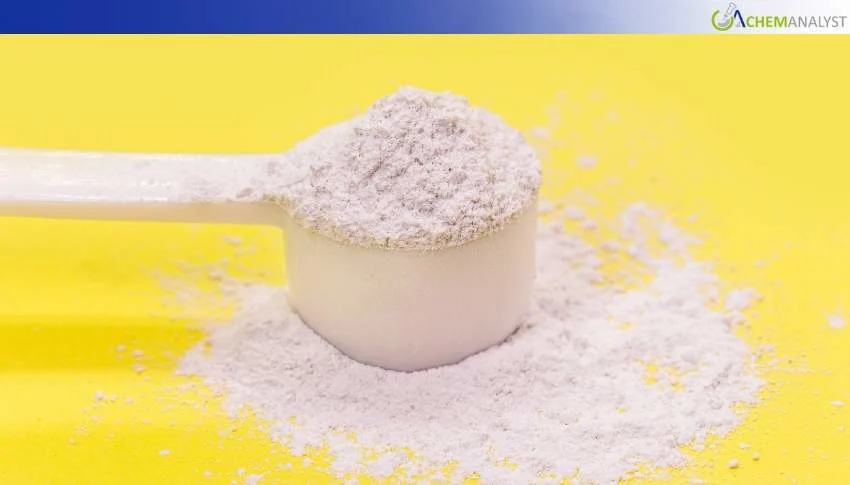
Glycine prices in the US market were steady in the first half of November after a -2.3% drop in October. The early November stability was due to a more balanced market as buyers were buying in measured amounts, using up their inventories and matching purchases to immediate production needs in feed, nutraceutical and pharma sectors. Stable imports from Asia and Houston port operations ensured supply was uninterrupted and Glycine was not further pressured down. In October, Glycine CFR Houston fell due to reduced Chinese exports, lower freight and normalized inventories post Q3 drawdowns. These factors set the stage for early November stability with distributors managing their stocks and downstream industries steady offtake. According to market sources, Glycine prices are expected to bounce back and rise slightly in the second half of November. Renewed procurement ahead of year end production cycles, improving demand from feed and pharma sectors and tighter inventories will support a moderate recovery and improve market sentiment and transaction volumes across the US amino acid market.
Selenis has effectively manufactured recycled PET chips using terephthalic acid sourced from Circ®, a textile-to-textile recycler based in Virginia. The chip production took place through a series of batches at Selenis' pilot plant in San-Giorgio, Italy. By utilizing inputs recovered from polycotton textile waste, Selenis has created high-quality PET chip, which has been further processed into DTY yarn. This yarn will play a crucial role in product development as Circ prepares for additional capsule launches. Selenis is leveraging the success of this initial collaboration phase and is committed to advancing towards an offtake partnership to support Circ's inaugural industrial facility.
Eduardo Santos, Head of Corporate Strategy at Selenis, remarked that the monomer synthesis showed a performance comparable to virgin terephthalic acid. He expressed optimism about the consistent quality of Circ's monomer output and anticipated future commercial success. Santos pointed out that the Circ partnership complements Selenis's existing mission and goals for a more sustainable textile industry. He further stated their anticipation of expanding upon this collaboration and providing support for Circ's forthcoming commercial production trials.