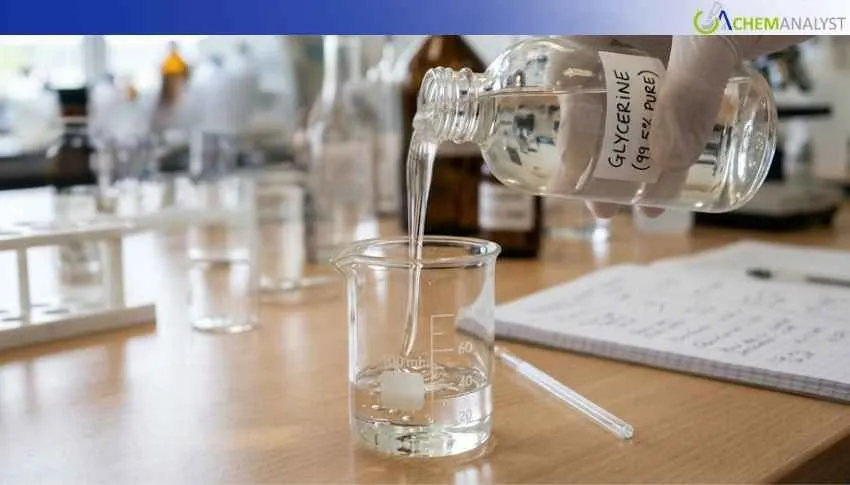
Glycerine markets in the United States posted a firmer tone through March as resilient downstream demand and upbeat trader sentiment outweighed comfortable inventories and steady domestic production. Early momentum was limited, but mid-month buying driven notably by personal-care formulators pushed offers higher and sustained the late-month tone. Elevated energy costs kept landed-cost pressures in focus, encouraging sellers to maintain firmer quotes. Overall, the market displayed a constructive undertone with traders cautious yet prepared to allocate material where needed. The personal-care segment remained the primary demand driver, supporting cosmetics and skincare line items, while pharmaceutical- and food-grade applications provided additional, though more moderate, support. On the supply side, domestic plants operated at normal rates and crude glycerine output was adequate, helping moderate spikes amid the cost backdrop. Inventories across major regional terminals remained comfortable, limiting extreme volatility. Looking ahead, the near-term outlook tilts toward a stable-to-firm bias as downstream demand persists and logistics costs stay elevated, keeping procurement cautious.
Selenis has effectively manufactured recycled PET chips using terephthalic acid sourced from Circ®, a textile-to-textile recycler based in Virginia. The chip production took place through a series of batches at Selenis' pilot plant in San-Giorgio, Italy. By utilizing inputs recovered from polycotton textile waste, Selenis has created high-quality PET chip, which has been further processed into DTY yarn. This yarn will play a crucial role in product development as Circ prepares for additional capsule launches. Selenis is leveraging the success of this initial collaboration phase and is committed to advancing towards an offtake partnership to support Circ's inaugural industrial facility.
Eduardo Santos, Head of Corporate Strategy at Selenis, remarked that the monomer synthesis showed a performance comparable to virgin terephthalic acid. He expressed optimism about the consistent quality of Circ's monomer output and anticipated future commercial success. Santos pointed out that the Circ partnership complements Selenis's existing mission and goals for a more sustainable textile industry. He further stated their anticipation of expanding upon this collaboration and providing support for Circ's forthcoming commercial production trials.