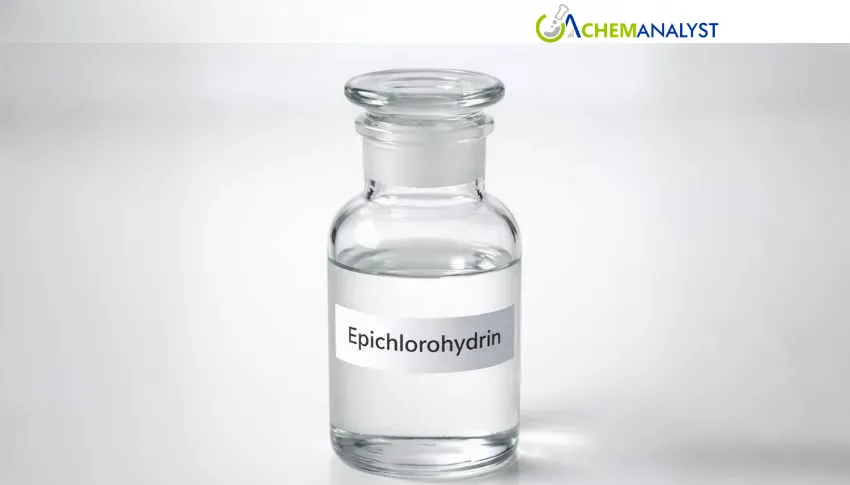
During the last week of June 2026 the US Epichlorohydrin market witnessed a sharp price increase, rising by approximately 3%. This weekly advance extends the surging 12-week bullish trend across North America. The primary catalyst behind this price appreciation was the escalating cost of imported Epichlorohydrin volumes sourced from key trading partners: Germany, India, and South Korea. Because domestic supply required supplementation by overseas material, surging raw material costs abroad directly impacted US landed prices. In Germany, a massive 23.28% jump in Propylene FD Hamburg forced producers to raise FOB offers. Similarly, India experienced rising glycerine feedstock costs, intensifying spot prices for Epichlorohydrin. Even in South Korea, a slight 1.29% increase in Refined Glycerine CFR Busan pushed up production expenses. Consequently, higher global acquisition costs directly forced US Epichlorohydrin sellers to adjust domestic valuations upward, maintaining absolute pricing power over end-users reliant on imported Epichlorohydrin inventories.
Selenis has effectively manufactured recycled PET chips using terephthalic acid sourced from Circ®, a textile-to-textile recycler based in Virginia. The chip production took place through a series of batches at Selenis' pilot plant in San-Giorgio, Italy. By utilizing inputs recovered from polycotton textile waste, Selenis has created high-quality PET chip, which has been further processed into DTY yarn. This yarn will play a crucial role in product development as Circ prepares for additional capsule launches. Selenis is leveraging the success of this initial collaboration phase and is committed to advancing towards an offtake partnership to support Circ's inaugural industrial facility.
Eduardo Santos, Head of Corporate Strategy at Selenis, remarked that the monomer synthesis showed a performance comparable to virgin terephthalic acid. He expressed optimism about the consistent quality of Circ's monomer output and anticipated future commercial success. Santos pointed out that the Circ partnership complements Selenis's existing mission and goals for a more sustainable textile industry. He further stated their anticipation of expanding upon this collaboration and providing support for Circ's forthcoming commercial production trials.