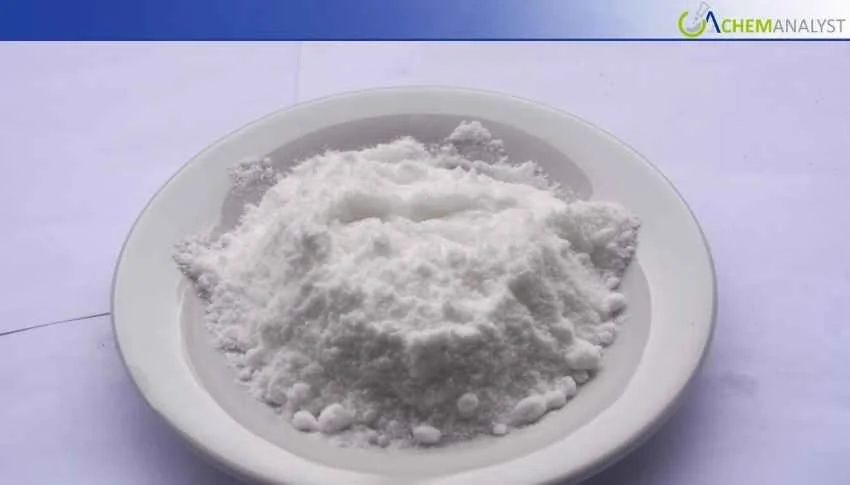
US Calcium Propionate Prices Fall 3.9% in late February 2026, Subdued Demand Pressure Market

US Calcium Propionate Prices Fall 3.9% in late February 2026, Subdued Demand Pressure Market

Conrad Beissel 03-Mar-2026

Calcium Propionate markets in the US softened through February as weak end-use demand and easing upstream costs encouraged discounting. Clean-label trends shifted formulators toward alternatives such as cultured wheat, potassium sorbate, and vinegar ferments, reducing Calcium Propionate uptake. Mid-month, buyers drew down inventories, trimming spot inquiries, while longer-term e-commerce bread distribution provided only temporary support for preservative needs. By late February, softer bakery demand, comfortable import flows, and lower energy inputs left suppliers more willing to widen discounts to clear cargoes. The commercial bakery segment remained the principal drag on demand, with substitutions away from synthetics depressing preservative uptake even as online grocery channels offered limited relief. February posted about a thirteen percent month-on-month decline. Supply-side dynamics amplified the sell-off: cheaper energy reduced production costs and encouraged broader discounting, while feedstock availability remained stable, and imports faced few bottlenecks. In the near term, the market bias remains soft. However, escalating geopolitical tensions in the Middle East could shift cost dynamics. Any sustained increase in crude oil prices may raise energy and freight expenses, particularly for bulk shipments, potentially lifting production and distribution costs. Should energy markets tighten materially, Calcium Propionate prices could see upward adjustments in the coming weeks.


Selenis has effectively manufactured recycled PET chips using terephthalic acid sourced from Circ®, a textile-to-textile recycler based in Virginia. The chip production took place through a series of batches at Selenis' pilot plant in San-Giorgio, Italy. By utilizing inputs recovered from polycotton textile waste, Selenis has created high-quality PET chip, which has been further processed into DTY yarn. This yarn will play a crucial role in product development as Circ prepares for additional capsule launches. Selenis is leveraging the success of this initial collaboration phase and is committed to advancing towards an offtake partnership to support Circ's inaugural industrial facility. Eduardo Santos, Head of Corporate Strategy at Selenis, remarked that the monomer synthesis showed a performance comparable to virgin terephthalic acid. He expressed optimism about the consistent quality of Circ's monomer output and anticipated future commercial success. Santos pointed out that the Circ partnership complements Selenis's existing mission and goals for a more sustainable textile industry. He further stated their anticipation of expanding upon this collaboration and providing support for Circ's forthcoming commercial production trials.

We use cookies to deliver the best possible experience on our website. To learn more, visit our Privacy Policy. By continuing to use this site or by closing this box, you consent to our use of cookies. More info.