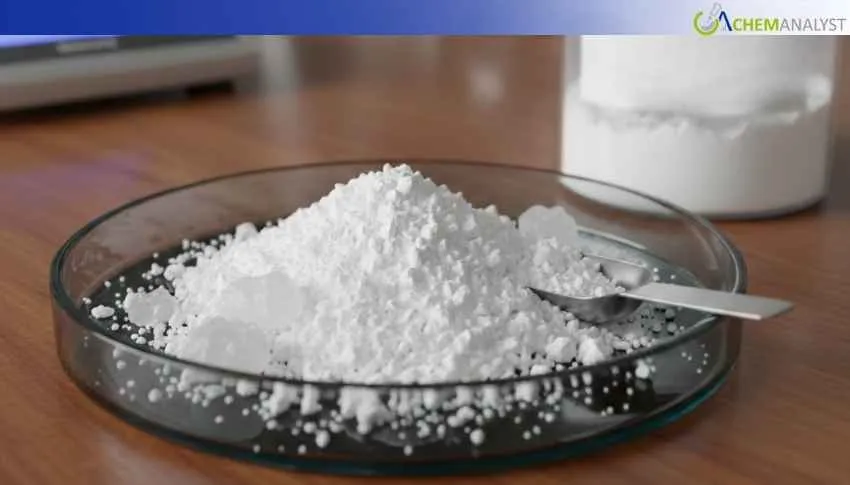
Calcium Propionate markets weakened into early February 2026 as substitution dynamics and ample feedstock supported a bearish tilt. After a balanced start, demand firmed before clean-label initiatives and formulation trials trimmed preservative usage toward cultured wheat, vinegar. Demand erosion was most pronounced from commercial bakeries, whose clean-label push and continuous-mix dough lines reduced calcium-propionate requirements, while feed mills and animal-nutrition blenders provided a steadier, though moderating, baseline offtake. On the supply side, inputs such as propionic acid and calcium hydroxide, remained ample and stable, enabling producers to sustain run-rates and suppress production-cost support. Domestic production remains a sizable share of supply, with imports also influential. Weekly data showed a continued downtrend, including a mid-January uptick followed by a sharp fall into early February, with around a 4.5% drop recorded on first week of Feb. The near-term outlook remains biased lower as substitution accelerates and bearish momentum persists, subject to logistics or supply shifts.
Selenis has effectively manufactured recycled PET chips using terephthalic acid sourced from Circ®, a textile-to-textile recycler based in Virginia. The chip production took place through a series of batches at Selenis' pilot plant in San-Giorgio, Italy. By utilizing inputs recovered from polycotton textile waste, Selenis has created high-quality PET chip, which has been further processed into DTY yarn. This yarn will play a crucial role in product development as Circ prepares for additional capsule launches. Selenis is leveraging the success of this initial collaboration phase and is committed to advancing towards an offtake partnership to support Circ's inaugural industrial facility.
Eduardo Santos, Head of Corporate Strategy at Selenis, remarked that the monomer synthesis showed a performance comparable to virgin terephthalic acid. He expressed optimism about the consistent quality of Circ's monomer output and anticipated future commercial success. Santos pointed out that the Circ partnership complements Selenis's existing mission and goals for a more sustainable textile industry. He further stated their anticipation of expanding upon this collaboration and providing support for Circ's forthcoming commercial production trials.