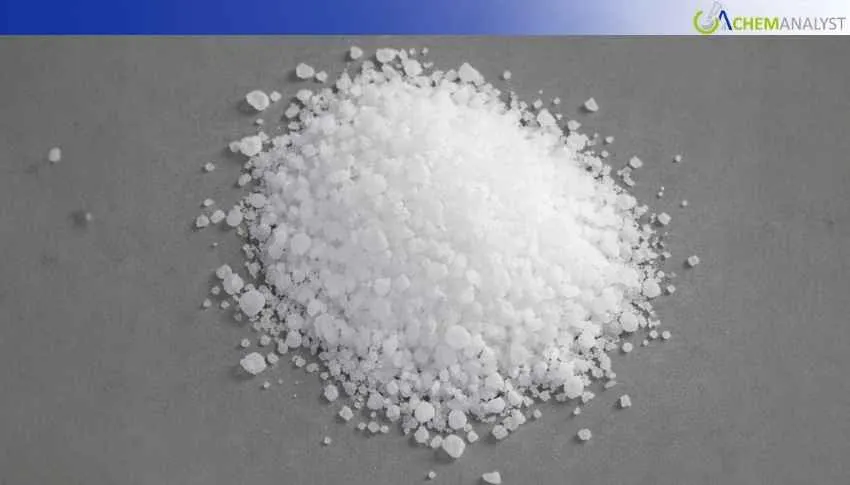
Benzoic acid in the United States eased through February as softer downstream buying outweighed higher feedstock costs. Inventories carried over from winter holidays; upticks in toluene and Trans-Pacific freight tightened landed-costs, while supply remained comfortable as European oxidation units held steady and Chinese suppliers resumed loadings after Lunar Year. Net effect was softer spot demand, with a month-end assessment describing a step-down from the February start and reflecting buyer caution amid ample import arrivals. Demand was broadly soft across end markets, reinforcing the downturn in spot prices. Food and beverage users slowed replenishment of food-grade preservatives and preservative formulations for packaged foods, while beverage formulators, especially carbonated soft-drink producers with output contracting, drew less from spot pools, according to ChemAnalyst data. Personal-care blenders and alkyd paint producers reduced immediate spot buying, and distributors maintained comfortable inventories, limiting new cargo appetite. The outlook indicates downward pressure into March and April before a gradual recovery into summer, contingent on feedstock and freight dynamics geopolitical risks.
Selenis has effectively manufactured recycled PET chips using terephthalic acid sourced from Circ®, a textile-to-textile recycler based in Virginia. The chip production took place through a series of batches at Selenis' pilot plant in San-Giorgio, Italy. By utilizing inputs recovered from polycotton textile waste, Selenis has created high-quality PET chip, which has been further processed into DTY yarn. This yarn will play a crucial role in product development as Circ prepares for additional capsule launches. Selenis is leveraging the success of this initial collaboration phase and is committed to advancing towards an offtake partnership to support Circ's inaugural industrial facility.
Eduardo Santos, Head of Corporate Strategy at Selenis, remarked that the monomer synthesis showed a performance comparable to virgin terephthalic acid. He expressed optimism about the consistent quality of Circ's monomer output and anticipated future commercial success. Santos pointed out that the Circ partnership complements Selenis's existing mission and goals for a more sustainable textile industry. He further stated their anticipation of expanding upon this collaboration and providing support for Circ's forthcoming commercial production trials.