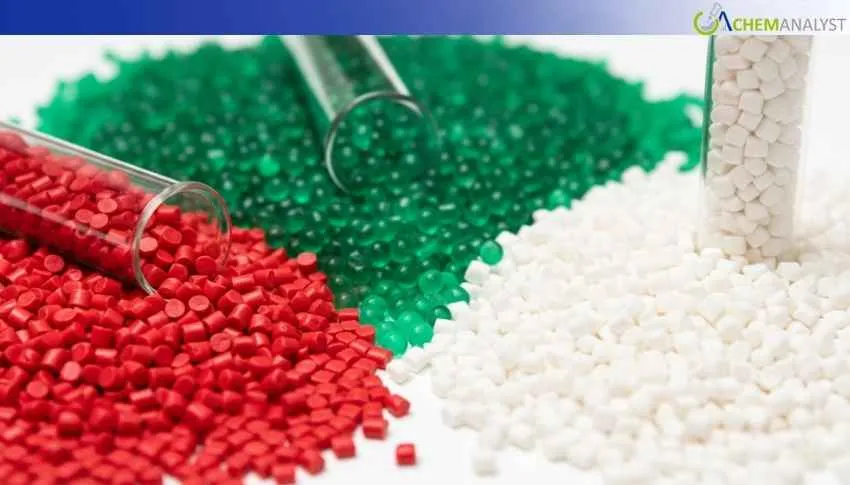
The Acrylonitrile Butadiene Styrene (ABS) prices in the US experienced a price increase during late January 2026 because of two main factors which included extremely high styrene prices and increased upstream production costs and ongoing supply chain problems. Global styrene prices increased across all major regions because of two main factors which included rising benzene prices and geopolitical conflicts that caused crude oil prices to increase. The production costs for ABS increased because of these factors which led US manufacturers to charge higher prices. The logistics limitations about reduced trucking capacity and elevated freight costs increased the total delivery expenses because they created higher delivery costs. Weather-related disruptions created additional obstacles which restricted the transportation of chemical shipments. The automotive, appliance, electronics and consumer goods sectors maintained stable ABS demand despite price increases because they only experienced minor demand changes.
Selenis has effectively manufactured recycled PET chips using terephthalic acid sourced from Circ®, a textile-to-textile recycler based in Virginia. The chip production took place through a series of batches at Selenis' pilot plant in San-Giorgio, Italy. By utilizing inputs recovered from polycotton textile waste, Selenis has created high-quality PET chip, which has been further processed into DTY yarn. This yarn will play a crucial role in product development as Circ prepares for additional capsule launches. Selenis is leveraging the success of this initial collaboration phase and is committed to advancing towards an offtake partnership to support Circ's inaugural industrial facility.
Eduardo Santos, Head of Corporate Strategy at Selenis, remarked that the monomer synthesis showed a performance comparable to virgin terephthalic acid. He expressed optimism about the consistent quality of Circ's monomer output and anticipated future commercial success. Santos pointed out that the Circ partnership complements Selenis's existing mission and goals for a more sustainable textile industry. He further stated their anticipation of expanding upon this collaboration and providing support for Circ's forthcoming commercial production trials.