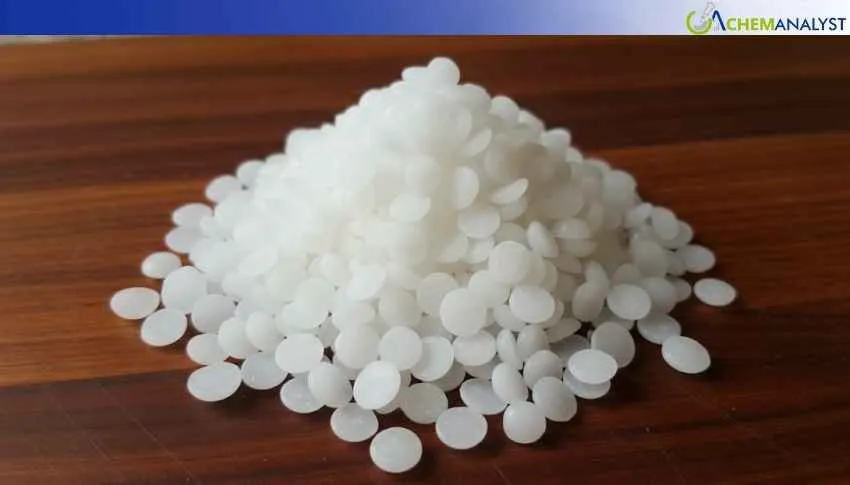
In January 2026, prices of Fatty Alcohol in Europe remained unchanged, with market participants trading in a balanced yet cautious supply and demand situation. Demand for the beginning of the year was still moderate; buyers delayed the purchases due to insufficient inventory. The personal care and cosmetics industries continued to drive consumption on the back of stable consumer spending and sustained demand for clean and science-based products. Conversely, the demand for Fatty Alcohol from the paints and coatings sector was low but firm, due to sluggish building and weak development in the manufacturing sector. Production remained steady, although increased power costs were faced by producers. European exports were broadly stable with some weakening in key exporting countries such as Germany amid a softer global trade outlook. Fatty Alcohol prices are projected to increase in the coming weeks in the first quarter of 2026. Supply is expected to be tightened and prices upward supported by inventory replenishment, export order improvement, higher logistic cost, lower operating rate, and an increase in palm kernel oil (PKO) and coconut oil costs.
Selenis has effectively manufactured recycled PET chips using terephthalic acid sourced from Circ®, a textile-to-textile recycler based in Virginia. The chip production took place through a series of batches at Selenis' pilot plant in San-Giorgio, Italy. By utilizing inputs recovered from polycotton textile waste, Selenis has created high-quality PET chip, which has been further processed into DTY yarn. This yarn will play a crucial role in product development as Circ prepares for additional capsule launches. Selenis is leveraging the success of this initial collaboration phase and is committed to advancing towards an offtake partnership to support Circ's inaugural industrial facility.
Eduardo Santos, Head of Corporate Strategy at Selenis, remarked that the monomer synthesis showed a performance comparable to virgin terephthalic acid. He expressed optimism about the consistent quality of Circ's monomer output and anticipated future commercial success. Santos pointed out that the Circ partnership complements Selenis's existing mission and goals for a more sustainable textile industry. He further stated their anticipation of expanding upon this collaboration and providing support for Circ's forthcoming commercial production trials.