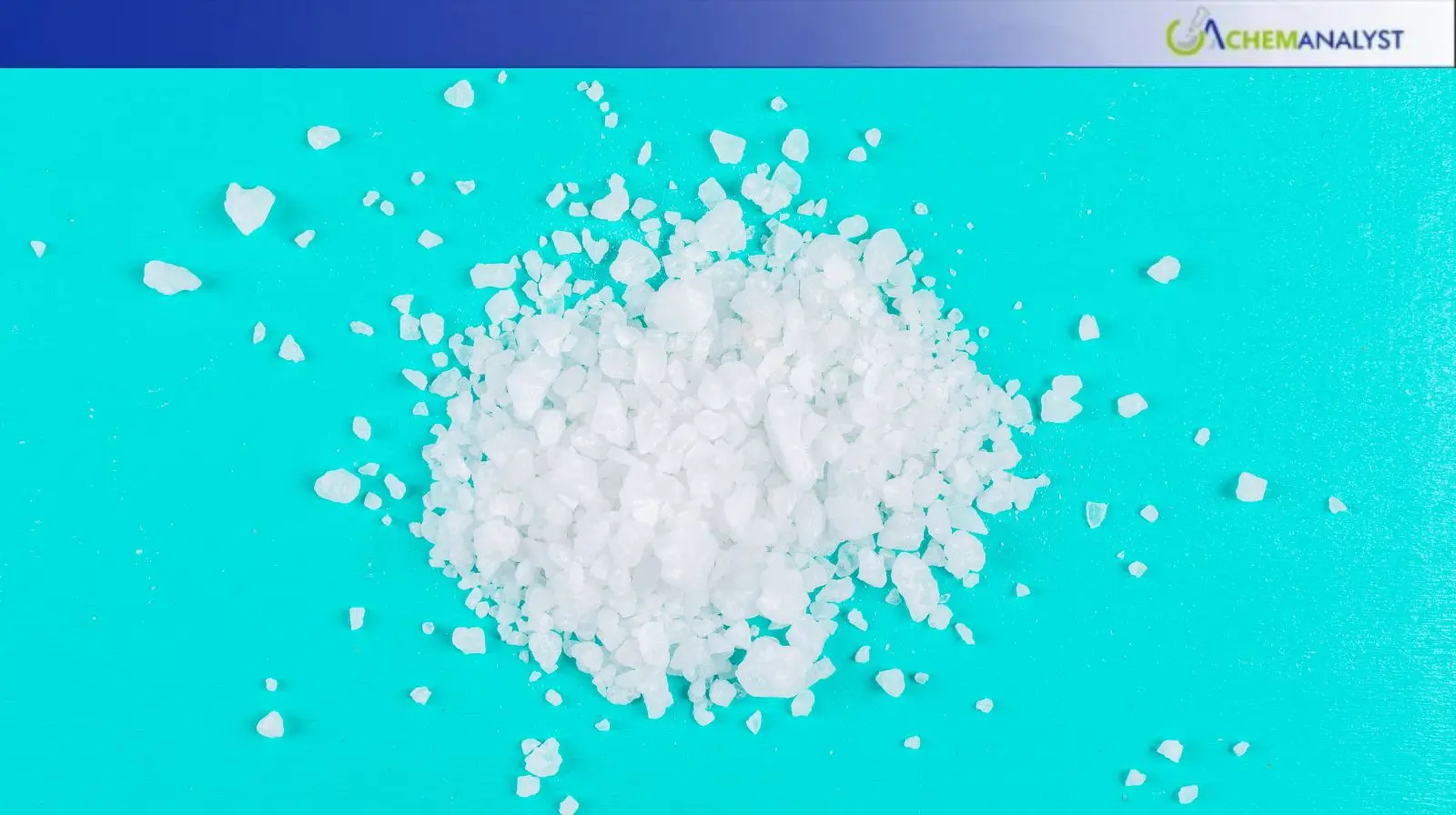
Sodium Citrate prices increase 1.3% in Sept 2025, maintains previous momentum in US

Sodium Citrate prices increase 1.3% in Sept 2025, maintains previous momentum in US

Gabreilla Figueroa 30-Sep-2025

The American market is experiencing a consistent rise in the price of importing Sodium citrate dihydrate, which is being caused by increased demand and supply chain complications in the international market. The product is largely demanded by various industries such as food and beverages, pharmaceuticals, and cosmetics, and its application as a buffering agent, emulsifier, and preservative is driving demand. Its use by the food sector as a supplier for processed beverages and foods, and increased post-pandemic pharmaceutical uses, has fueled pressure on suppliers worldwide. The major drivers of the Sodium citrate dihydrate price hike are due to supply chain interruption by geopolitical tensions, labor shortages, and environmental legislation in export nations such as China and India. It has also imposed increased costs due to inflationary pressure on raw materials such as citric acid. The U.S. consumer's thirst for sustainable practices has also incurred an expense. Industry analysts have forecasted further price increases of Sodium citrate dihydrate through sustained demand, supply chain dynamics, and economic uncertainty. Companies need to implement strategic initiatives, like diversifying suppliers and inventory control, to lower risks.


Selenis has effectively manufactured recycled PET chips using terephthalic acid sourced from Circ®, a textile-to-textile recycler based in Virginia. The chip production took place through a series of batches at Selenis' pilot plant in San-Giorgio, Italy. By utilizing inputs recovered from polycotton textile waste, Selenis has created high-quality PET chip, which has been further processed into DTY yarn. This yarn will play a crucial role in product development as Circ prepares for additional capsule launches. Selenis is leveraging the success of this initial collaboration phase and is committed to advancing towards an offtake partnership to support Circ's inaugural industrial facility. Eduardo Santos, Head of Corporate Strategy at Selenis, remarked that the monomer synthesis showed a performance comparable to virgin terephthalic acid. He expressed optimism about the consistent quality of Circ's monomer output and anticipated future commercial success. Santos pointed out that the Circ partnership complements Selenis's existing mission and goals for a more sustainable textile industry. He further stated their anticipation of expanding upon this collaboration and providing support for Circ's forthcoming commercial production trials.

We use cookies to deliver the best possible experience on our website. To learn more, visit our Privacy Policy. By continuing to use this site or by closing this box, you consent to our use of cookies. More info.