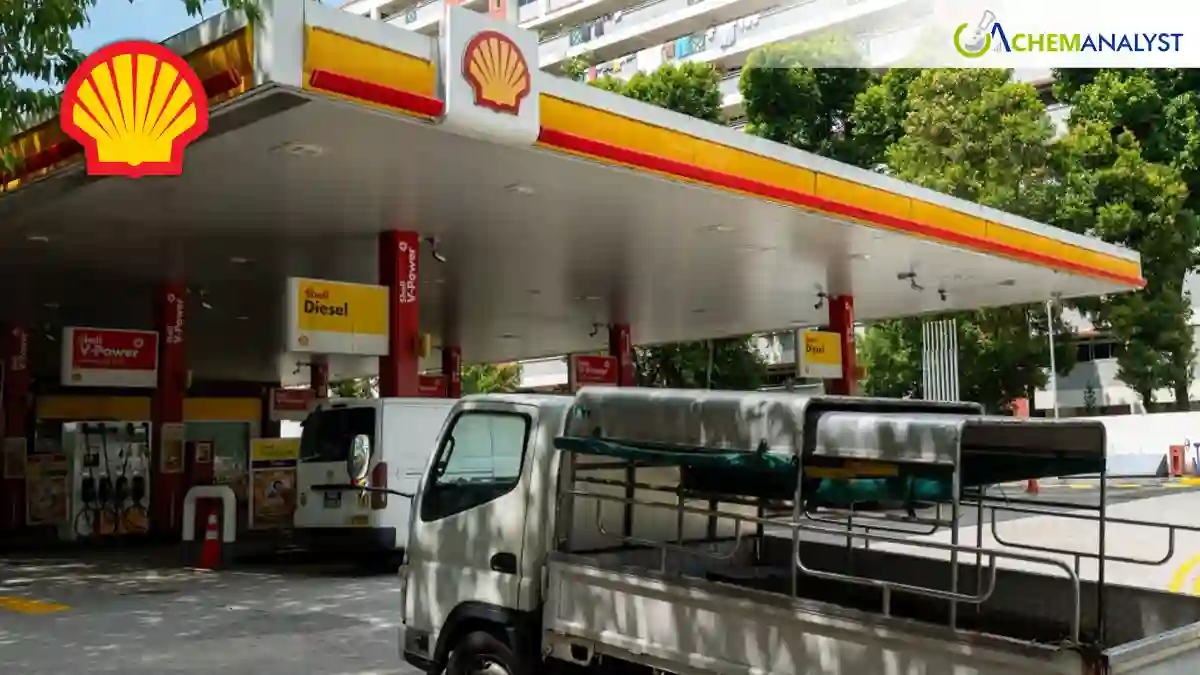
Shell raises Singapore petrol prices above S$4 amid Middle East tensions, while diesel prices decline slightly across fuel retailers.
Petrol and diesel pump prices in Singapore have seen recent adjustments, notably with Shell increasing petrol prices and decreasing diesel prices on May 18, 2026, a move that pushed its premium 98-octane petrol above the S$4 mark again. This adjustment by Shell involved a 3-cent hike across its petrol offerings and a corresponding 3-cent reduction in diesel prices. Following these changes, the popular 95-octane petrol ranged from S$2.64 at Cnergy to S$3.49 at Shell, while 98-octane petrol varied between S$3.05 at Cnergy and S$4.01 at Shell.
These price fluctuations occur amidst a backdrop of escalating conflict in the Middle East, which has significantly impacted global oil markets. The ongoing "US-Israel war on Iran" and wider regional tensions have led to disruptions in critical oil shipping routes, most notably the closure of the Strait of Hormuz – a crucial channel through which approximately 30 percent of the world's oil flows. The conflict has also resulted in attacks on oil and natural gas production facilities in the region, including those in Qatar and Saudi Arabia, further contributing to supply concerns and pushing global energy prices upwards. US President Donald Trump's past threats to strike Iran have also been cited as contributing to swings in oil prices. Analysts indicate that the surge in global oil prices, driven by fears of extended supply disruptions, has translated into higher local pump prices, with operators factoring in increased freight and insurance costs proactively.
The economic consequences of these price increases are felt widely across Singapore. Drivers, commercial fleet owners, and taxi drivers face higher operational costs due to rising petrol and diesel pump prices. The Consumers Association of Singapore (CASE) is actively monitoring the situation and has urged fuel companies to exercise restraint to prevent pre-emptive price hikes. From an industry-specific perspective, fuel companies like Shell, Caltex, Esso, and Sinopec have all adjusted their prices in response to the volatile global market, with Shell often being among the first to implement changes. Different companies offer varying price points for different octane levels, providing some variation for consumers, though overall prices have trended upwards due to geopolitical pressures.