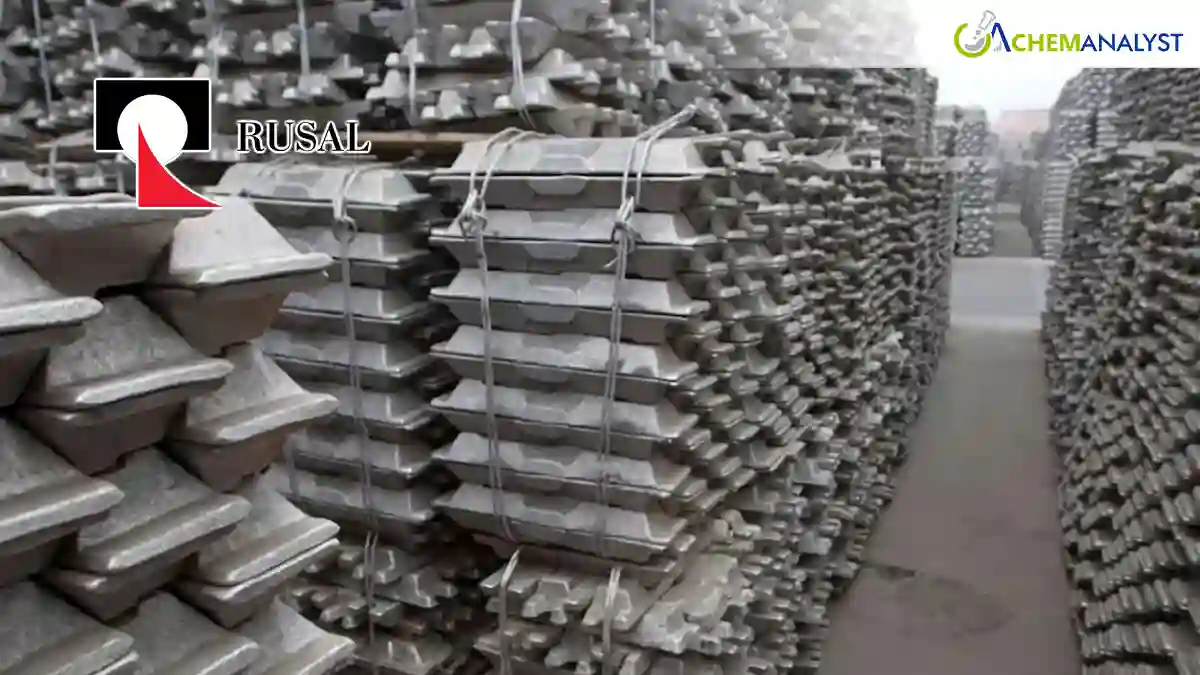
RUSAL promotes low-carbon recycled aluminum in Azerbaijan, supporting construction decarbonization, lower lifecycle costs, sustainable infrastructure, and reduced global emissions.
A RUSAL official has emphasized that low-carbon and recycled aluminum can significantly contribute to Azerbaijan's construction sector decarbonization efforts, offering a path to optimize building efficiency, reduce lifecycle costs, and advance carbon reduction targets. This initiative positions low-carbon aluminum as a critical material for modern municipal infrastructure and the global construction industry, simultaneously mitigating climate impacts and delivering superior economic feasibility over long-term operations.
The key event highlighted is RUSAL's promotion of integrating low-carbon and recycled aluminum into Azerbaijan's construction industry. This push is being championed by Alexey Spirin, Director of the Climate Change Department at UC RUSAL. The context for this push includes the broader global imperative for decarbonization and sustainable urban development, particularly as discussed at platforms like the WUF13 forum in Baku.
The primary cause driving this advocacy is the pressing need to reduce carbon emissions within the construction sector, which is a significant contributor to global greenhouse gases. RUSAL's low-carbon aluminum, often produced using renewable hydropower, boasts a significantly lower CO2 footprint compared to traditionally produced aluminum and other competing materials like steel. The company's "ALLOW" aluminum, for instance, has a guaranteed low CO2 footprint of less than 4t CO2/t of aluminum, traceable to its smelter of origin. Furthermore, the material's infinite recyclability during building deconstruction and its inherent properties like low density and high durability contribute to extended structural lifespans, up to 80 years, thereby reducing maintenance and repair expenditures.
The consequences of adopting low-carbon aluminum are multi-faceted. Economically, it promises optimized building efficiency, lower lifecycle costs, and the development of more resilient, smart, and cost-effective urban infrastructure. Environmentally, it directly supports carbon reduction targets and mitigates climate change impacts. From an industry-specific perspective, it signifies a shift towards sustainable manufacturing standards and the increasing demand for eco-friendly materials in construction worldwide. RUSAL's strategy also includes innovations like incorporating recycled content and deploying inert anode technology to further reduce CO2 emissions in its production processes. This approach strengthens RUSAL's position as a leader in low-carbon aluminum production and aligns with global green initiatives, potentially influencing other nations and industries to follow suit in their decarbonization strategies.