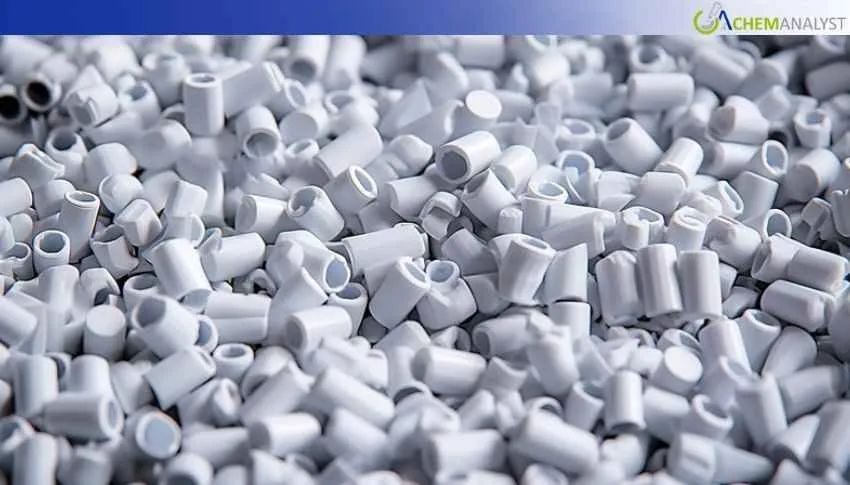
U.S. Polypropylene prices experienced a shift from neutral stability to mild bullish momentum in January 2026. During the first week Polypropylene prices remained unchanged amid balanced fundamentals with stable domestic production, steady imports and comfortable inventory at the Gulf Coast. The feedstock polymer-grade propylene traded in a narrow range, keeping producer margins intact, while other developments in the wider packaging sector - which is under scrutiny over recyclability and mono-material solutions as part of the US Plastics Pact - pointed to a steady underlying consumption outlook without short-term upward pressure on prices. On second week Polypropylene recorded a 1.65% gain, which was buoyed by an evident recovery in downstream demand, especially AptarGroup's upcoming amounts for pharmaceutical aerosol inhalers and vials and tightening spot supplies in rigid packaging industry. The market transitioned from a very volatile neutral formation to a somewhat positive one, although there was no drastic turnaround in freight, energy prices, or consumer confidence to offset the shift.
Selenis has effectively manufactured recycled PET chips using terephthalic acid sourced from Circ®, a textile-to-textile recycler based in Virginia. The chip production took place through a series of batches at Selenis' pilot plant in San-Giorgio, Italy. By utilizing inputs recovered from polycotton textile waste, Selenis has created high-quality PET chip, which has been further processed into DTY yarn. This yarn will play a crucial role in product development as Circ prepares for additional capsule launches. Selenis is leveraging the success of this initial collaboration phase and is committed to advancing towards an offtake partnership to support Circ's inaugural industrial facility.
Eduardo Santos, Head of Corporate Strategy at Selenis, remarked that the monomer synthesis showed a performance comparable to virgin terephthalic acid. He expressed optimism about the consistent quality of Circ's monomer output and anticipated future commercial success. Santos pointed out that the Circ partnership complements Selenis's existing mission and goals for a more sustainable textile industry. He further stated their anticipation of expanding upon this collaboration and providing support for Circ's forthcoming commercial production trials.