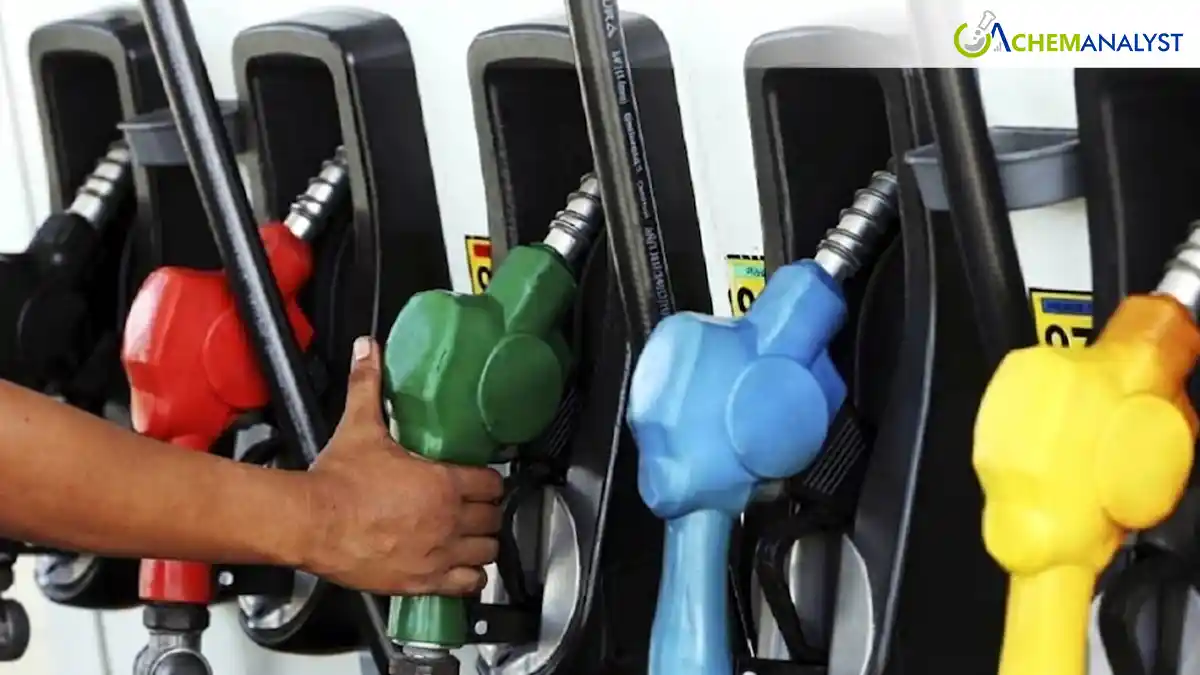
Philippines faces fresh fuel price hikes, with diesel surging sharply amid Middle East tensions and global supply concerns.
A new round of significant fuel price increases is set to take effect in the Philippines on Tuesday, May 19, 2026, with diesel prices experiencing the steepest hike. This adjustment follows a period of volatile global oil markets, primarily driven by escalating geopolitical tensions in the Middle East.
Oil companies, including Shell Pilipinas Corp., have announced specific price changes. Gasoline prices are slated to increase by P1.21 per liter, while diesel will see a substantial rise of P2.82 per liter. Conversely, kerosene prices will experience a rollback of P2.11 per liter. These adjustments are expected to be implemented starting 6 a.m. on May 19. The Department of Energy (DOE) confirmed these impending hikes, attributing them to the market's reaction to ongoing developments in the Middle East.
The primary cause for this upward trend in local pump prices is the renewed geopolitical instability in the Middle East, which has fueled concerns over potential supply disruptions in major oil-producing regions. This uncertainty has led to a surge in global crude prices and intensified market volatility. Additionally, tighter global supply, declining inventories, and reduced refinery output have contributed to the increase in gasoline prices. As a nation heavily reliant on imported oil, the Philippines remains particularly vulnerable to these international market fluctuations, grappling with repeated fuel price adjustments in recent months.
The consequences of these price hikes are far-reaching, impacting various sectors of the Philippine economy. Economically, the increased cost of diesel is especially critical as it is widely utilized in essential services such as freight, agriculture, public transportation, and industrial operations. This widespread dependence means that demand for diesel is relatively inelastic, making it difficult to curb even during periods of elevated prices. Consequently, businesses in these sectors will face higher operational costs, which are often passed on to consumers through increased prices for goods and services. This contributes to inflationary pressures, a persistent concern for many Filipinos.
From an industry-specific perspective, the transportation sector, particularly public utility vehicle (PUV) operators and freight companies, will directly bear the brunt of higher diesel costs, potentially leading to calls for fare adjustments or government subsidies. The agricultural sector will also be affected, as farmers rely on diesel-powered machinery for various operations, thereby increasing production costs. The ongoing fuel price volatility underscores the significant geopolitical influence on domestic economic stability and highlights the challenges faced by import-dependent nations in managing energy costs.