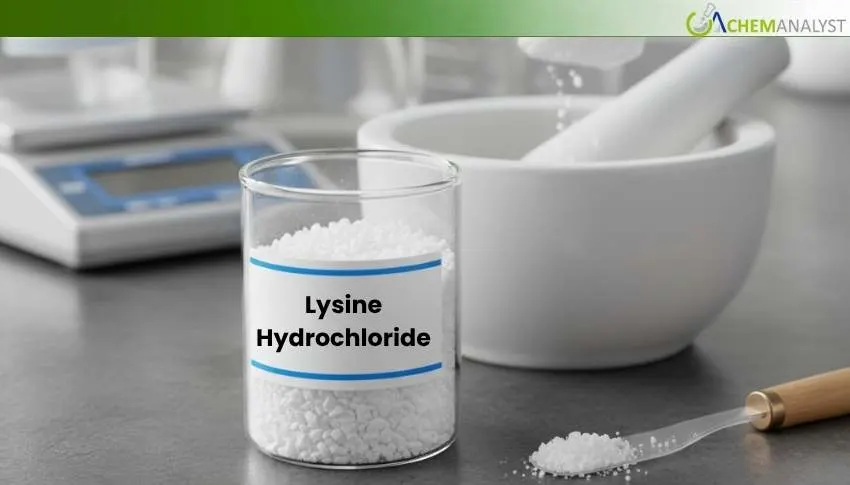
As November 2025 approaches, the market for North American feed- and food-grade L-Lysine HCl develops a distinctively upbeat trend, driven on one hand by excellent demand from the animal feed sector and on the other by its application in human nutrition. The feed-grade sector continues to dominate the market, as poultry and swine producers desire efficiency with feed and seek sustainable nutrient management. North America takes up about a quarter of global lysine consumption and, therefore, is an important player in the world feed additives industry. At the same time, the food-grade lysine market is gaining momentum, with increased consumer preference for protein-rich, clean-label, and value-added Lysine Hydrochloride food products. Feed-grade Lysine Hydrochloride would see a continuous upward trend annually, analysts estimate, with food-grade Lysine Hydrochloride applications following the similar trajectory on the back of persistent demand side, investment in local manufacturing, and stable logistics. Though raw material price volatility and trade regulations could be areas for concern, the general outlook for late 2025 and beyond is promising, placing the market in a position to sustain continued growth and resilience.
Selenis has effectively manufactured recycled PET chips using terephthalic acid sourced from Circ®, a textile-to-textile recycler based in Virginia. The chip production took place through a series of batches at Selenis' pilot plant in San-Giorgio, Italy. By utilizing inputs recovered from polycotton textile waste, Selenis has created high-quality PET chip, which has been further processed into DTY yarn. This yarn will play a crucial role in product development as Circ prepares for additional capsule launches. Selenis is leveraging the success of this initial collaboration phase and is committed to advancing towards an offtake partnership to support Circ's inaugural industrial facility.
Eduardo Santos, Head of Corporate Strategy at Selenis, remarked that the monomer synthesis showed a performance comparable to virgin terephthalic acid. He expressed optimism about the consistent quality of Circ's monomer output and anticipated future commercial success. Santos pointed out that the Circ partnership complements Selenis's existing mission and goals for a more sustainable textile industry. He further stated their anticipation of expanding upon this collaboration and providing support for Circ's forthcoming commercial production trials.