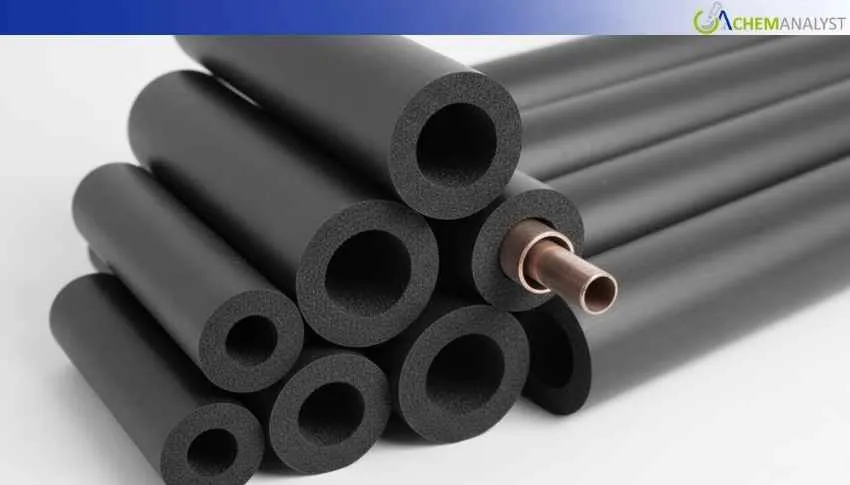
The South Korean market for Nitrile Butadiene Rubber (NBR)continues to experience pressures during the initial months of 2026 as a result of oversupply, consistency of delivery, and low downstream demand. Market conditions are not expected to change during this period; however, NBR producers are producing at full capacity due to an adequate supply of both butadiene and acrylonitrile from their respective sources. While export shipments have remained stable to China, India, Italy, and the United States, many of these countries have excess inventory and are therefore proceeding cautiously with ordering from South Korea. Available finished-product inventories are considered stable because customer orders for products from South Korea were limited at the end of 2025. With the input costs for energy remaining stable and the logistics of bringing in crude oil and LNG remaining secure, production is expected to continue. However, the low level of additional demand from the automotive, industrial hose, and oil-resistant rubber segments of the economy prevents any significant increase in the strength of the overall NBR market.
Selenis has effectively manufactured recycled PET chips using terephthalic acid sourced from Circ®, a textile-to-textile recycler based in Virginia. The chip production took place through a series of batches at Selenis' pilot plant in San-Giorgio, Italy. By utilizing inputs recovered from polycotton textile waste, Selenis has created high-quality PET chip, which has been further processed into DTY yarn. This yarn will play a crucial role in product development as Circ prepares for additional capsule launches. Selenis is leveraging the success of this initial collaboration phase and is committed to advancing towards an offtake partnership to support Circ's inaugural industrial facility.
Eduardo Santos, Head of Corporate Strategy at Selenis, remarked that the monomer synthesis showed a performance comparable to virgin terephthalic acid. He expressed optimism about the consistent quality of Circ's monomer output and anticipated future commercial success. Santos pointed out that the Circ partnership complements Selenis's existing mission and goals for a more sustainable textile industry. He further stated their anticipation of expanding upon this collaboration and providing support for Circ's forthcoming commercial production trials.