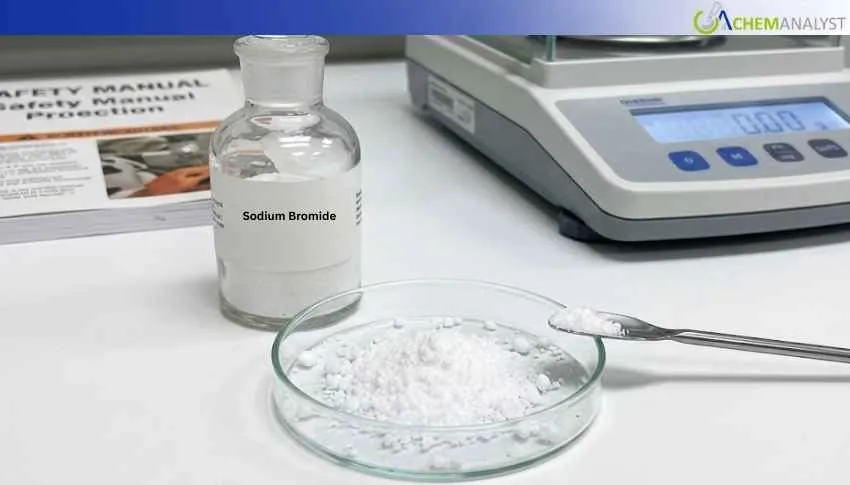
India's Sodium Bromide Prices Spike 15.40% in January 2026, Here is the Reason

India's Sodium Bromide Prices Spike 15.40% in January 2026, Here is the Reason

Peter Ackroyd 27-Feb-2026

India's sodium bromide market posted a sharp uptick in January 2026, supported by firmer upstream drilling and seasonal stocking that sustained landed demand. Supply appeared steady from Jordan, Israel, and exporters, with softer methanol-linked feedstock costs aiding economics. In mid-month, eased freight and smoother port handling preserved flows; however, late-month dynamics, notably a surge in bromine input costs amid broader energy inflation, encouraged a firmer sentiment. Pre-season call-offs from utilities and energy contractors lifted buying interest, outweighing softer spot appetite from downstream processors. Demand for sodium bromide diverged across end-uses, underpinning the January uplift in activity. Energy fluids and related drilling and workover markets were drivers, while water-treatment pre-season call-offs provided modest support; industrial cleaners and chemical processors cooled spot demand. Looking ahead, the near-term outlook for sodium bromide remains tilted higher, with analysts projecting prices could rise further in February 2026, driven by pre-season demand, origin delays, and sustained input-cost pressures. Import activity and supply dynamics suggest continued interest, though a post-season slowdown remains possible.


Selenis has effectively manufactured recycled PET chips using terephthalic acid sourced from Circ®, a textile-to-textile recycler based in Virginia. The chip production took place through a series of batches at Selenis' pilot plant in San-Giorgio, Italy. By utilizing inputs recovered from polycotton textile waste, Selenis has created high-quality PET chip, which has been further processed into DTY yarn. This yarn will play a crucial role in product development as Circ prepares for additional capsule launches. Selenis is leveraging the success of this initial collaboration phase and is committed to advancing towards an offtake partnership to support Circ's inaugural industrial facility. Eduardo Santos, Head of Corporate Strategy at Selenis, remarked that the monomer synthesis showed a performance comparable to virgin terephthalic acid. He expressed optimism about the consistent quality of Circ's monomer output and anticipated future commercial success. Santos pointed out that the Circ partnership complements Selenis's existing mission and goals for a more sustainable textile industry. He further stated their anticipation of expanding upon this collaboration and providing support for Circ's forthcoming commercial production trials.

We use cookies to deliver the best possible experience on our website. To learn more, visit our Privacy Policy. By continuing to use this site or by closing this box, you consent to our use of cookies. More info.