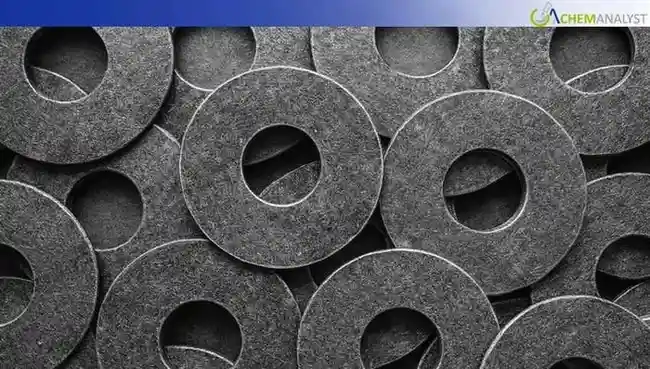
Grey Cast Iron prices had minor movements in January, due to changes in feedstock prices, weather-related problems, and demand trends. Grey Cast Iron prices were supported by USD 4/MT from 2nd January to 16th January, due to positive developments on scrap, pig iron, and silicon prices, but then fell by USD 2/MT in the week ending 23rd January, due to easing demand trends. Weather-related problems in the US impacted scrap prices, where sentiment on spot supply was affected by weather-related problems, although January inventories of scrap materials were adequate. Another factor impacting Grey Cast Iron prices was pig iron prices, with Brazil witnessing a record export level in 2025, but with a threat of tariffs in the US, which is the primary destination of Brazilian pig iron exports. In addition, expectations of a Supreme Court ruling on pig iron tariffs in early 2026 impacted pig iron prices. On the demand front, passenger car demand trends were stable, with a small change in North American vehicle production forecasts. However, construction demand trends remained weak, due to factors such as affordability, high prices, and labor shortages.
Selenis has effectively manufactured recycled PET chips using terephthalic acid sourced from Circ®, a textile-to-textile recycler based in Virginia. The chip production took place through a series of batches at Selenis' pilot plant in San-Giorgio, Italy. By utilizing inputs recovered from polycotton textile waste, Selenis has created high-quality PET chip, which has been further processed into DTY yarn. This yarn will play a crucial role in product development as Circ prepares for additional capsule launches. Selenis is leveraging the success of this initial collaboration phase and is committed to advancing towards an offtake partnership to support Circ's inaugural industrial facility.
Eduardo Santos, Head of Corporate Strategy at Selenis, remarked that the monomer synthesis showed a performance comparable to virgin terephthalic acid. He expressed optimism about the consistent quality of Circ's monomer output and anticipated future commercial success. Santos pointed out that the Circ partnership complements Selenis's existing mission and goals for a more sustainable textile industry. He further stated their anticipation of expanding upon this collaboration and providing support for Circ's forthcoming commercial production trials.