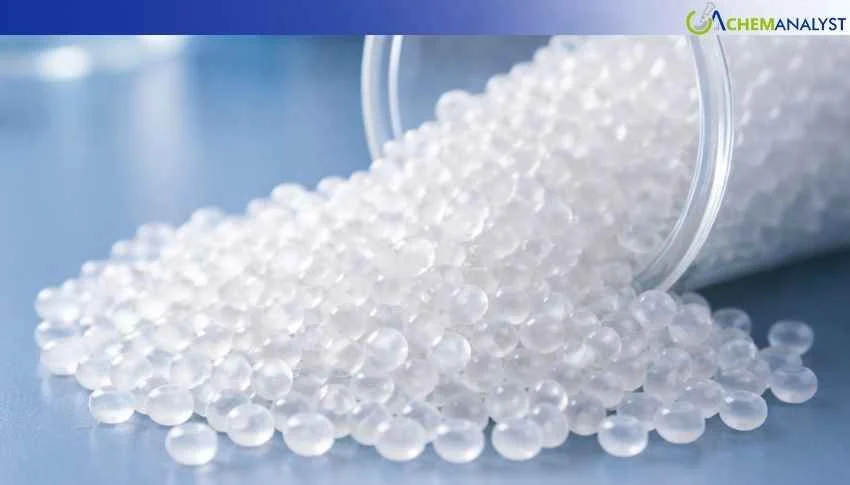
Initial three weeks of January 2026, the German High Density Polyethylene (HDPE) market showed clopped pattern: prices inched down by 0.47% in the first week, and in the second week HDPE made another decline of 0.47%, then in third week HDPE prices increased by 2.36%, bringing bullish movement. Early weakness originated from abundant Middle East and U.S. cargoes widening the arbitrage and surrounding offers, with ethylene unmovable. Early softening was due to ample HDPE supply from Middle East and U.S. cargoes widening the arbitrage and capping offers, with ethylene unmovable. Third-week surge was triggered by an anticipated ethylene supply shortage from the sequential cracker and Shell Wesseling’s exit from crude processing, restricting regional naphtha and ethylene supply flows. Robust domestic demand remains key driver but tradable prices in the face of weak manufacturing and regulatory scrutiny of single use plastics dampening converter urgency while longer term recyclability trends and increasing pressure from end users support underlying interest.
Selenis has effectively manufactured recycled PET chips using terephthalic acid sourced from Circ®, a textile-to-textile recycler based in Virginia. The chip production took place through a series of batches at Selenis' pilot plant in San-Giorgio, Italy. By utilizing inputs recovered from polycotton textile waste, Selenis has created high-quality PET chip, which has been further processed into DTY yarn. This yarn will play a crucial role in product development as Circ prepares for additional capsule launches. Selenis is leveraging the success of this initial collaboration phase and is committed to advancing towards an offtake partnership to support Circ's inaugural industrial facility.
Eduardo Santos, Head of Corporate Strategy at Selenis, remarked that the monomer synthesis showed a performance comparable to virgin terephthalic acid. He expressed optimism about the consistent quality of Circ's monomer output and anticipated future commercial success. Santos pointed out that the Circ partnership complements Selenis's existing mission and goals for a more sustainable textile industry. He further stated their anticipation of expanding upon this collaboration and providing support for Circ's forthcoming commercial production trials.