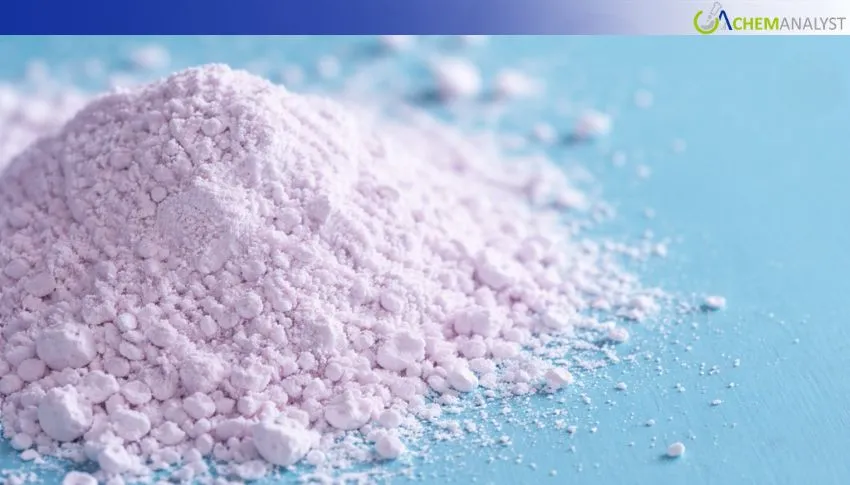
Geopolitical Tensions Support Firmer US Glycine Prices as Import Costs Rise

Geopolitical Tensions Support Firmer US Glycine Prices as Import Costs Rise

Geoffrey Chaucer 24-Mar-2026

US Glycine spot values softened through February as export availability from East and Southeast Asia remained ample and domestic purchasing stayed cautious. Early-month exporter activity capped offer levels, while buyers negotiated limited concessions as procurement remained requirement-based. Softer upstream ammonia costs improved production economics and created downward pressure on quotations, although rising container and ocean freight prevented deeper corrections by keeping landed costs elevated. Contract demand remained broadly stable, with weak agrochemical consumption—particularly from glyphosate formulators—limiting spot liftings, while pharmaceutical manufacturing, IV solution demand, and sports nutrition applications continued to provide steady support. As a result, Glycine (=98.5%) import quotations posted a modest month-on-month decline. By mid-March, however, market sentiment strengthened as carryover trading improved and suppliers adjusted offers upward. A key driver was the increase in upstream raw material costs in major exporting regions, while vessel transit disruptions around the Strait of Hormuz amid ongoing geopolitical tensions raised import logistics costs. Although no production outages were reported, elevated crude oil prices increased bunker fuel charges, freight rates, and war-risk insurance premiums, supporting firmer near-term quotations.


Selenis has effectively manufactured recycled PET chips using terephthalic acid sourced from Circ®, a textile-to-textile recycler based in Virginia. The chip production took place through a series of batches at Selenis' pilot plant in San-Giorgio, Italy. By utilizing inputs recovered from polycotton textile waste, Selenis has created high-quality PET chip, which has been further processed into DTY yarn. This yarn will play a crucial role in product development as Circ prepares for additional capsule launches. Selenis is leveraging the success of this initial collaboration phase and is committed to advancing towards an offtake partnership to support Circ's inaugural industrial facility. Eduardo Santos, Head of Corporate Strategy at Selenis, remarked that the monomer synthesis showed a performance comparable to virgin terephthalic acid. He expressed optimism about the consistent quality of Circ's monomer output and anticipated future commercial success. Santos pointed out that the Circ partnership complements Selenis's existing mission and goals for a more sustainable textile industry. He further stated their anticipation of expanding upon this collaboration and providing support for Circ's forthcoming commercial production trials.
Tags:

Glycine

We use cookies to deliver the best possible experience on our website. To learn more, visit our Privacy Policy. By continuing to use this site or by closing this box, you consent to our use of cookies. More info.