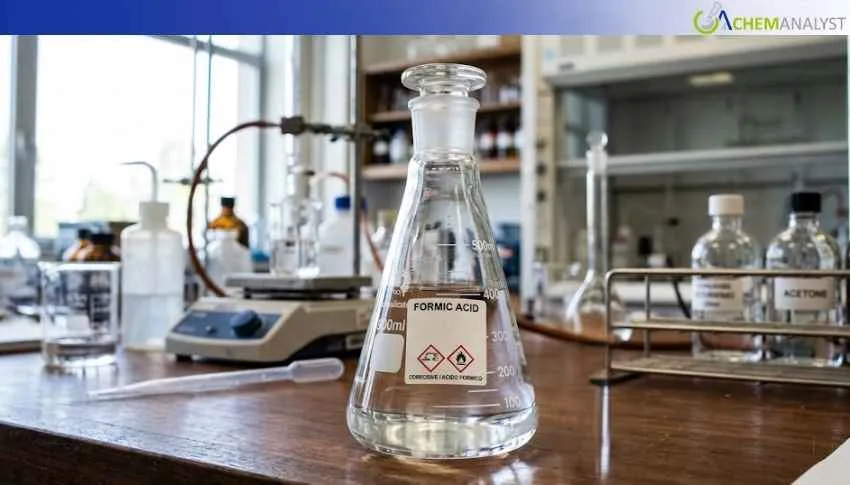
Formic acid prices in the U.S. trended higher into mid-March, supported by feedstock volatility and logistical pressures that lifted offers. The tone was set by methanol swings, freight and insurance costs linked to geopolitical risk, and a softer dollar, which together underpinned the mid-month uptick after early softness. Demand remained bifurcated: agriculture-related applications such as silage additives and animal feed acidifiers held steady and supported volumes ahead of spring, while distributor procurement provided lift. In contrast, leather and textile processing, plus rubber and latex coagulation uses, showed only limited recovery, weighing on domestic consumption as offshoring and weak export flows trimmed spot demand. Export activity was subdued as arbitrage to nearby markets softened, pressuring sellers. Domestic output continued to cover only a minority of demand, underscoring exposure to imports and feedstock swings. Outlook points to further upside potential amid methanol volatility, elevated carbon monoxide feedstock pressures, and agricultural input-cost inflation, with geopolitical tensions adding upward pressure on offers.
Selenis has effectively manufactured recycled PET chips using terephthalic acid sourced from Circ®, a textile-to-textile recycler based in Virginia. The chip production took place through a series of batches at Selenis' pilot plant in San-Giorgio, Italy. By utilizing inputs recovered from polycotton textile waste, Selenis has created high-quality PET chip, which has been further processed into DTY yarn. This yarn will play a crucial role in product development as Circ prepares for additional capsule launches. Selenis is leveraging the success of this initial collaboration phase and is committed to advancing towards an offtake partnership to support Circ's inaugural industrial facility.
Eduardo Santos, Head of Corporate Strategy at Selenis, remarked that the monomer synthesis showed a performance comparable to virgin terephthalic acid. He expressed optimism about the consistent quality of Circ's monomer output and anticipated future commercial success. Santos pointed out that the Circ partnership complements Selenis's existing mission and goals for a more sustainable textile industry. He further stated their anticipation of expanding upon this collaboration and providing support for Circ's forthcoming commercial production trials.