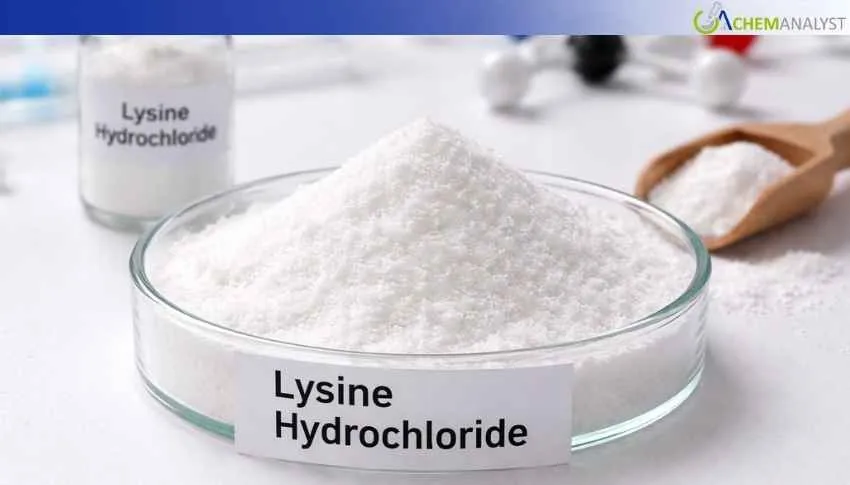
The Netherlands in December 2025 experienced a divided market in lysine hydrochloride. The market was supportive for feed-grade lysine hydrochloride based on replenishment buying towards the end of the year, lower European imports, and pre-winter strategic buying for lysine hydrochloride. It was because of buying trends in the pig, poultry, and aquafeed sector that made the markets supportive despite weakening. Concurrently, food grade lysine hydrochloride, used in human nutrition, also continued to move lower. The overproduction of this product from key Asian producers, in addition to slower lysine hydrochloride food grade demand for dietary supplements, contributed to lower prices. The exporters were lowering their prices in an effort to clear their inventories, and this helped in the low prices in the Dutch markets. Looking forward, it is expected that the feed grade lysine hydrochloride will continue with its steady growth in January 2026, influenced by the steady demand in animal feeds and the managed imports. The food grade lysine hydrochloride market will continue experiencing low prices until the world inventory positions are normalized.
Selenis has effectively manufactured recycled PET chips using terephthalic acid sourced from Circ®, a textile-to-textile recycler based in Virginia. The chip production took place through a series of batches at Selenis' pilot plant in San-Giorgio, Italy. By utilizing inputs recovered from polycotton textile waste, Selenis has created high-quality PET chip, which has been further processed into DTY yarn. This yarn will play a crucial role in product development as Circ prepares for additional capsule launches. Selenis is leveraging the success of this initial collaboration phase and is committed to advancing towards an offtake partnership to support Circ's inaugural industrial facility.
Eduardo Santos, Head of Corporate Strategy at Selenis, remarked that the monomer synthesis showed a performance comparable to virgin terephthalic acid. He expressed optimism about the consistent quality of Circ's monomer output and anticipated future commercial success. Santos pointed out that the Circ partnership complements Selenis's existing mission and goals for a more sustainable textile industry. He further stated their anticipation of expanding upon this collaboration and providing support for Circ's forthcoming commercial production trials.