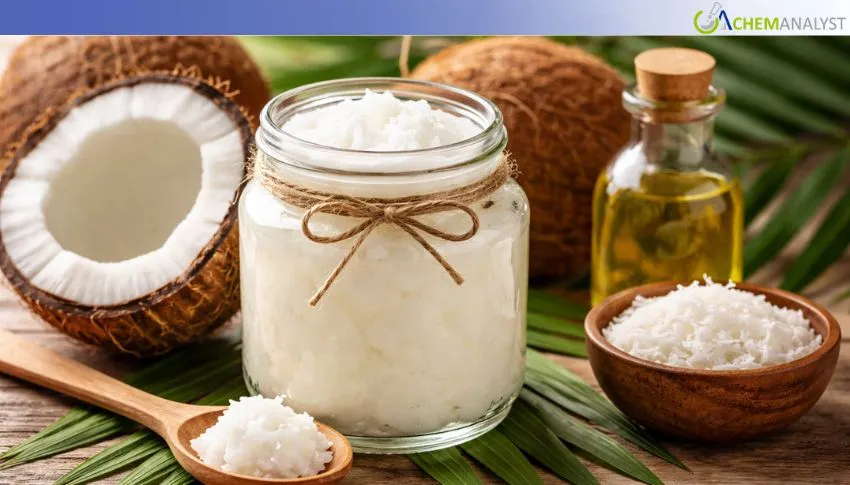
Coconut Oil Prices down 3.8%: Here is why Iran war could not affect Coconut Oil Prices in Asia

Coconut Oil Prices down 3.8%: Here is why Iran war could not affect Coconut Oil Prices in Asia

S. Jayavikraman 06-Mar-2026

Indian coconut oil prices declined in late February as bearish sentiment and strong substitution pressures weighed on buying activity. Early and mid-month trading remained range-bound, supported by steady procurement and normal wholesale movement. Toward month-end, traders accelerated inventory liquidation and postponed fresh purchases amid persistent downward momentum. Demand from soap manufacturers and FMCG companies softened, while cheaper alternative vegetable oils intensified competitive pressure and compressed margins. Tender coconut consumption remained relatively stable, providing localized support but insufficient to offset broader market weakness. Government incentives supported production and eased supply tightness, though higher milling costs continued to limit producer margins. In the near term, prices may remain soft; however, geopolitical tensions involving the United States, Israel, and Iran could shift cost dynamics. Rising crude oil prices may increase energy and transportation expenses, while higher freight rates could raise import costs for competing oils. If logistics disruptions emerge or supply chains tighten, reduced price advantages of substitutes may support stronger demand for coconut oil and gradually push prices higher in the coming months.


Selenis has effectively manufactured recycled PET chips using terephthalic acid sourced from Circ®, a textile-to-textile recycler based in Virginia. The chip production took place through a series of batches at Selenis' pilot plant in San-Giorgio, Italy. By utilizing inputs recovered from polycotton textile waste, Selenis has created high-quality PET chip, which has been further processed into DTY yarn. This yarn will play a crucial role in product development as Circ prepares for additional capsule launches. Selenis is leveraging the success of this initial collaboration phase and is committed to advancing towards an offtake partnership to support Circ's inaugural industrial facility. Eduardo Santos, Head of Corporate Strategy at Selenis, remarked that the monomer synthesis showed a performance comparable to virgin terephthalic acid. He expressed optimism about the consistent quality of Circ's monomer output and anticipated future commercial success. Santos pointed out that the Circ partnership complements Selenis's existing mission and goals for a more sustainable textile industry. He further stated their anticipation of expanding upon this collaboration and providing support for Circ's forthcoming commercial production trials.
Tags:

Coconut Oil

We use cookies to deliver the best possible experience on our website. To learn more, visit our Privacy Policy. By continuing to use this site or by closing this box, you consent to our use of cookies. More info.