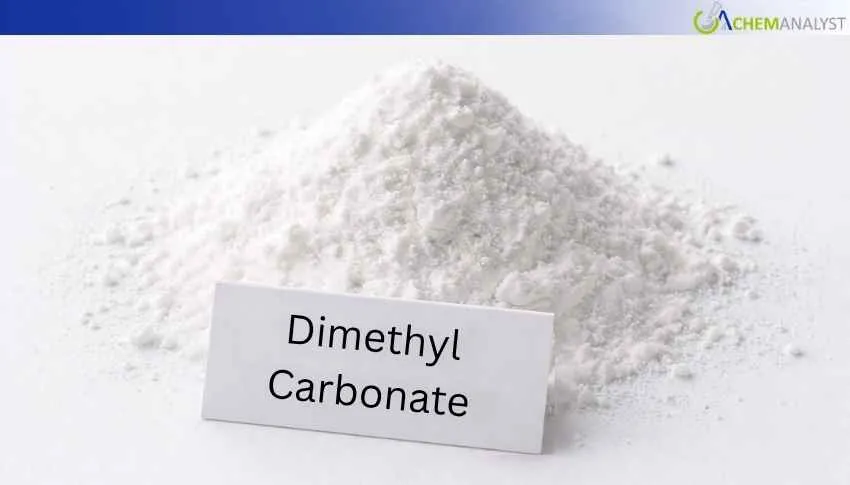
Dimethyl carbonate markets in China strengthened in early March 2026 after a subdued February, with sentiment improving as downstream procurement resumed following the Lunar New Year slowdown. Comfortable tank stocks and stable logistics had previously pressured offers, but rising spot inquiries from electrolyte blenders and scheduled battery related shipments helped shift the tone. Although imported methanol and freight uncertainties kept sellers cautious, the broader market for dimethyl carbonate showed signs of stabilization across lithium ion electrolyte, polycarbonate intermediate, and pharmaceutical segments. Softer domestic methanol prices eased margin pressure and allowed some exporters to adjust offers while integrated producers maintained steady utilization, ensuring ample supply. Weekly assessments reflected a clear rebound, with mid March levels climbing more than 10% from early month lows. Looking ahead, dimethyl carbonate prices may see modest gains through mid year, though softer call offs from some electrolyte producers and persistent shipping related risks could limit upside. Overall, the market remains balanced, with feedstock trends and global logistics shaping near term direction.
Selenis has effectively manufactured recycled PET chips using terephthalic acid sourced from Circ®, a textile-to-textile recycler based in Virginia. The chip production took place through a series of batches at Selenis' pilot plant in San-Giorgio, Italy. By utilizing inputs recovered from polycotton textile waste, Selenis has created high-quality PET chip, which has been further processed into DTY yarn. This yarn will play a crucial role in product development as Circ prepares for additional capsule launches. Selenis is leveraging the success of this initial collaboration phase and is committed to advancing towards an offtake partnership to support Circ's inaugural industrial facility.
Eduardo Santos, Head of Corporate Strategy at Selenis, remarked that the monomer synthesis showed a performance comparable to virgin terephthalic acid. He expressed optimism about the consistent quality of Circ's monomer output and anticipated future commercial success. Santos pointed out that the Circ partnership complements Selenis's existing mission and goals for a more sustainable textile industry. He further stated their anticipation of expanding upon this collaboration and providing support for Circ's forthcoming commercial production trials.