China Sodium Nitrite Rises 3.3% in Early March 2026 as Iran–Israel War Stir Supply Chain Concerns

China Sodium Nitrite Rises 3.3% in Early March 2026 as Iran–Israel War Stir Supply Chain Concerns

Thomas Mann 13-Mar-2026

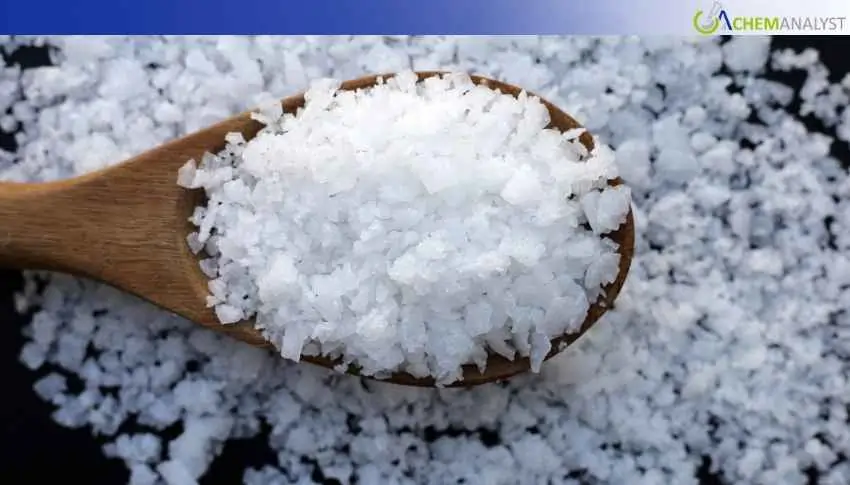
China’s Sodium Nitrite market entered early March 2026 with firmer sentiment as geopolitical tensions linked to the ongoing Iran-Israel conflict began influencing global chemical trade expectations. While domestic production remained stable due to reliable availability of key feedstocks such as nitric acid and soda ash, market participants increasingly monitored potential risks associated with Middle East shipping routes. Some auxiliary inputs tied to the Sodium Nitrite value chain, including ammonia and sulfur, are partially transported from the Middle East, making logistics sensitive to disruptions around strategic maritime corridors. Concerns that escalating conflict could impact tanker routes, freight insurance costs, and container shipping availability prompted cautious procurement among buyers and exporters. Downstream industries such as food preservation, pharmaceuticals, dyes, and metal treatment, key consumers of Sodium Nitrite, also began reassessing procurement strategies to mitigate possible supply chain disruptions. Overall, geopolitical uncertainty has created a more vigilant market environment, with participants closely tracking developments that could affect feedstock availability, logistics costs, and global Sodium Nitrite trade flows.


Selenis has effectively manufactured recycled PET chips using terephthalic acid sourced from Circ®, a textile-to-textile recycler based in Virginia. The chip production took place through a series of batches at Selenis' pilot plant in San-Giorgio, Italy. By utilizing inputs recovered from polycotton textile waste, Selenis has created high-quality PET chip, which has been further processed into DTY yarn. This yarn will play a crucial role in product development as Circ prepares for additional capsule launches. Selenis is leveraging the success of this initial collaboration phase and is committed to advancing towards an offtake partnership to support Circ's inaugural industrial facility. Eduardo Santos, Head of Corporate Strategy at Selenis, remarked that the monomer synthesis showed a performance comparable to virgin terephthalic acid. He expressed optimism about the consistent quality of Circ's monomer output and anticipated future commercial success. Santos pointed out that the Circ partnership complements Selenis's existing mission and goals for a more sustainable textile industry. He further stated their anticipation of expanding upon this collaboration and providing support for Circ's forthcoming commercial production trials.

We use cookies to deliver the best possible experience on our website. To learn more, visit our Privacy Policy. By continuing to use this site or by closing this box, you consent to our use of cookies. More info.