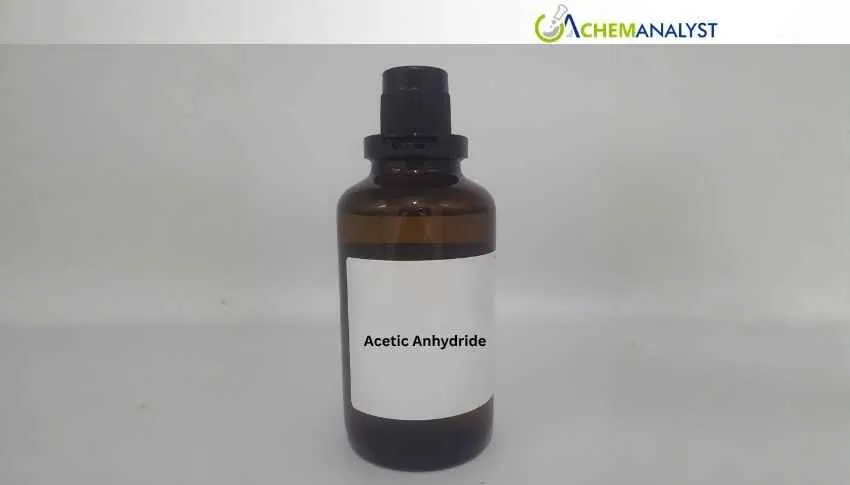
China's acetic anhydride prices declined in May, pressured by softer upstream costs and subdued downstream demand, especially from cellulose acetate. Early May saw sellers trimming offers after acetic acid costs eased, while mid-month producers temporarily firmed quotations before the trend resumed lower into late May. The combination of cheaper feedstock and limited restocking kept export and domestic acetic anhydride offers under pressure in recent weeks. Demand weakness was most visible in cellulose acetate, where operating rates remained moderate and consumption was limited, constraining room for price gains despite some attempts to lift quotes mid-month. Upstream dynamics were a primary driver: a steep drop in acetic acid reduced production costs, enabling more aggressive export pricing, while stable coal-based methanol supported steady feedstock flows and mitigated supply tightness. Price-lift attempts faded as the lower cost base enabled renewed concessions, leaving the market softer overall. Looking ahead, the outlook tilts toward stable to softer, with limited upside unless downstream buying improves or producer pricing behavior shifts.
Selenis has effectively manufactured recycled PET chips using terephthalic acid sourced from Circ®, a textile-to-textile recycler based in Virginia. The chip production took place through a series of batches at Selenis' pilot plant in San-Giorgio, Italy. By utilizing inputs recovered from polycotton textile waste, Selenis has created high-quality PET chip, which has been further processed into DTY yarn. This yarn will play a crucial role in product development as Circ prepares for additional capsule launches. Selenis is leveraging the success of this initial collaboration phase and is committed to advancing towards an offtake partnership to support Circ's inaugural industrial facility.
Eduardo Santos, Head of Corporate Strategy at Selenis, remarked that the monomer synthesis showed a performance comparable to virgin terephthalic acid. He expressed optimism about the consistent quality of Circ's monomer output and anticipated future commercial success. Santos pointed out that the Circ partnership complements Selenis's existing mission and goals for a more sustainable textile industry. He further stated their anticipation of expanding upon this collaboration and providing support for Circ's forthcoming commercial production trials.